A beautiful home feels personal, and few pieces carry as much character as ornate mirrors. They’re not merely functional objects for checking your reflection. They’re architectural statements that bring history, texture, and warmth into a room. Minimalist trends come and go, but an intricately framed mirror stays a steady anchor in South African interiors, bridging heritage architecture and contemporary living. Whether you live in a Victorian terrace in Parktown or a modern apartment in Sandton, knowing how to choose, place, and care for these pieces means they enhance your space instead of overwhelming it.
Why Ornate Mirrors Remain a Timeless Choice
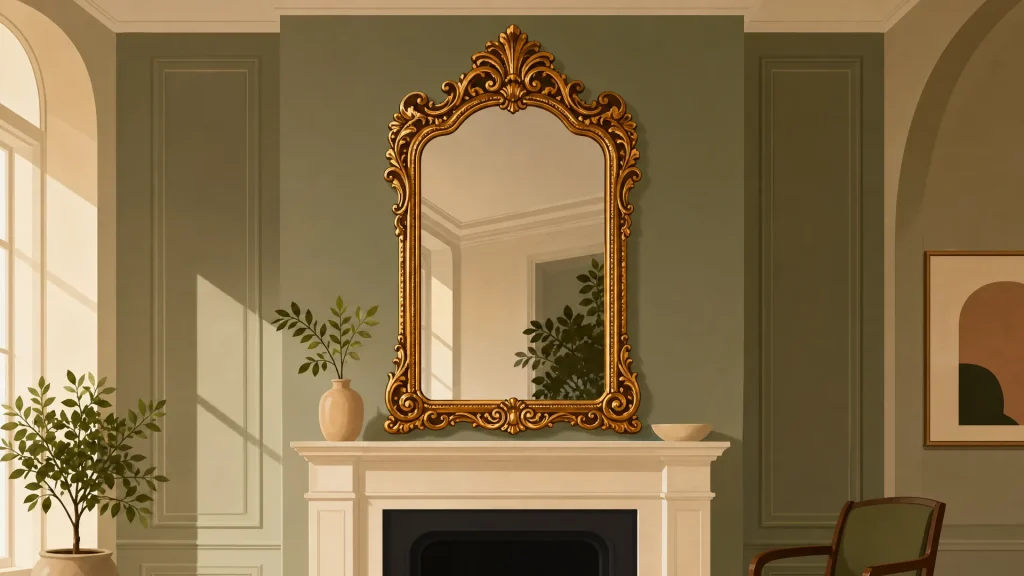
Ornate mirrors are enduring design anchors. They add character and light instead of chasing trends that date a home within a few seasons. In many South African Victorian and Cape Dutch homes, original ornate mirrors above fireplaces still work as functional centrepieces over a century later, because good craftsmanship outlasts any one era. You’re investing in a piece with visual weight and narrative depth, something that gives a room a sense of established comfort flat, frameless glass can’t match. This isn’t about filling empty wall space with generic décor. It’s about choosing an object that grounds the room’s atmosphere and reflects your own appreciation for detail.
The difference between a standard decorative mirror and a genuinely ornate one comes down to the frame. Standard mirrors often have simple mouldings or uniform bevels designed to recede into the background. Ornate frames do the opposite: carving, gilding, or layered composition give them a sculptural presence that demands attention. They interact with changing natural light through the day, casting shadows and highlights that animate the wall surface. That’s especially valuable in Gauteng homes, where afternoon sun can turn a static room into something alive.
Choosing the Right Ornate Mirror Style for Your Space
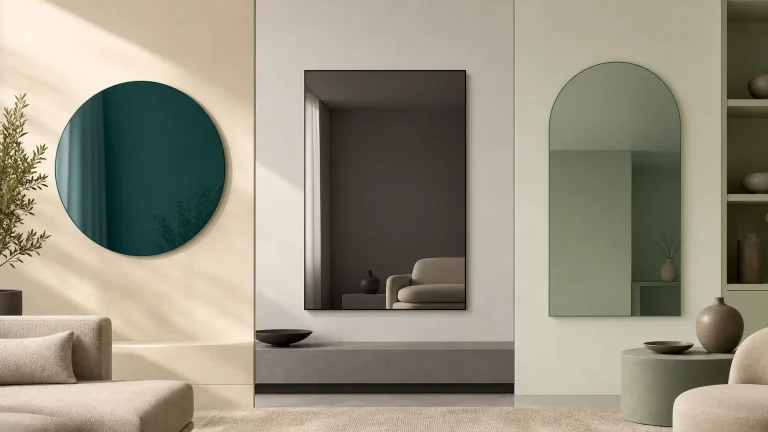
Choosing the right frame means looking past the glass to how the profile works with your existing architecture and furniture scale. Before you commit to a style, it’s worth exploring different mirror shape options to see how silhouette changes the perception of ornamentation. A round baroque frame reads softer against square walls; a rectangular art deco piece reinforces the linear geometry of a more structured space. Your choice should feel like a conversation with the room, not a monologue that drowns out everything else in it.
Baroque and Rococo Revival Frames
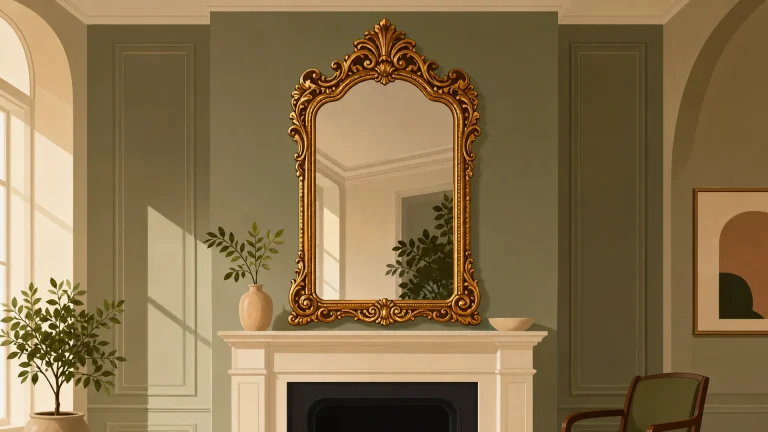
These styles bring high-relief carving, sweeping curves, and often gold or silver leaf finishes that echo European grandeur adapted for local tastes. They work best in rooms with enough ceiling height and architectural detail, cornices, skirting boards, that can match their visual intensity. Put a heavy Rococo revival mirror in a small, plain-walled room and you risk making the space feel cramped. Save these frames for rooms where the architecture can hold its own, the goal is harmony between the frame’s complexity and the room’s structural bones.
Art Deco and Vintage-Inspired Details
Art Deco ornate mirrors bring geometric precision: stepped profiles, sunburst motifs, chevron patterns that bridge vintage charm and a more modern sensibility. These frames tend to sit lower in relief than Baroque pieces, which makes them versatile for mid-sized living areas and bedrooms where you want character without overwhelming the room’s intimacy. Their symmetry appeals to anyone who likes order alongside decoration, and they give surrounding furniture a structured focal point to organise around.
Modern Ornate: Clean Lines with Decorative Touches
Contemporary interpretations strip back the excess but keep selective embellishment through textured metalwork, asymmetric detailing, or mixed materials like wood and brass. This lets you bring ornamental interest into a minimalist scheme without fighting your clean-lined furniture or neutral palette. Modern ornate mirrors prove decoration doesn’t have to mean clutter. They’re a refined middle ground for anyone who loves detail but is wary of visual noise.
Placement Strategies That Maximise Light and Space
Positioning decides whether your ornate mirror amplifies the room’s best qualities or just occupies wall space without purpose. Well-placed mirrors can increase perceived ambient light by up to 30% in north-facing rooms typical of Gauteng homes, turning gloomy corners into bright, welcoming zones. Think about sightlines from entry points and seating areas, so the reflection captures something worth seeing rather than a blank wall or a cluttered shelf. Get the placement right and the mirror becomes an active part of the room’s lighting, not just a decoration on it.
Reflecting Natural Light in Darker Rooms
Hang the mirror on a wall perpendicular to a window rather than directly opposite it. That angle bounces light deeper into the room without the harsh glare a direct reflection creates. It catches morning or afternoon sun and redirects it across the ceiling and adjacent walls, softening shadows and opening up the sense of volume. In compact areas, strategic mirror placement for compact spaces is worth a look, so you avoid reflecting cluttered surfaces that make the room feel smaller. The reflection should offer a curated view, sky, garden, interior architecture, that adds to the sense of openness.
Creating Focal Points Above Furniture
Interior designers consistently recommend anchoring ornate mirrors to a substantial piece of furniture, so they don’t end up looking visually adrift on an expansive wall. When you’re hanging one above a console, sideboard, or mantlepiece, check the correct hanging height above furniture to keep the proportions right between frame and surface. Too high and the mirror disconnects from its base. Too low and it crowds the arrangement. The gap should feel intentional, typically 15cm to 25cm, depending on frame thickness and ceiling height.
Using Mirrors to Balance Proportions
Tall, narrow ornate mirrors can correct awkward vertical proportions in rooms with high ceilings but limited floor width, drawing the eye upward and emphasising volume. Wide horizontal frames do the opposite, stretching across long walls to counter tunnel-like corridors or narrow dining rooms. Measure your wall carefully before buying: ornate frames add real width beyond the glass itself. A mirror spanning two-thirds to three-quarters of the furniture width below it usually hits the right balance.
Pairing Ornate Mirrors with Other Décor Elements
Good styling keeps your ornate mirror from competing with everything around it for attention. You want the piece to feel integrated, not isolated, which takes some thought about textiles, lighting, and nearby décor. Let the frame’s finish and motif inform your other choices without dictating them completely, that’s what gives a room a layered, collected feel rather than a matched one. This matters even more in open-plan Gauteng homes, where several zones share the same visual space.
Coordinating with Textiles and Soft Furnishings
Echo the mirror’s metallic tones or carved motifs in scatter cushions, throws, or a rug pattern, and you get a subtle connection across the room without anything looking too matched. Balancing ornate details with soft furnishings is worth reading if you want your textiles to complement the frame’s intricacy rather than compete with it. Matte fabrics absorb light and give a restful contrast against reflective gilded surfaces, which keeps the room from feeling overloaded. Texture does the heavy lifting here, grounding the mirror’s formality in everyday comfort.
Balancing Ornamentation with Minimalist Pieces
Pair a highly decorative mirror with simple, solid-colour furniture and unadorned walls, and let the frame be the one ornamental statement in the room. Cluttered surroundings dilute detailed craftsmanship, so edit nearby accessories ruthlessly when you’re installing a bold piece. The negative space around the mirror gives the eye room to appreciate the carving and finish without distraction. That restraint signals confidence in your choice, rather than making the room feel like a period costume.
Caring for Decorative Frames and Glass Surfaces
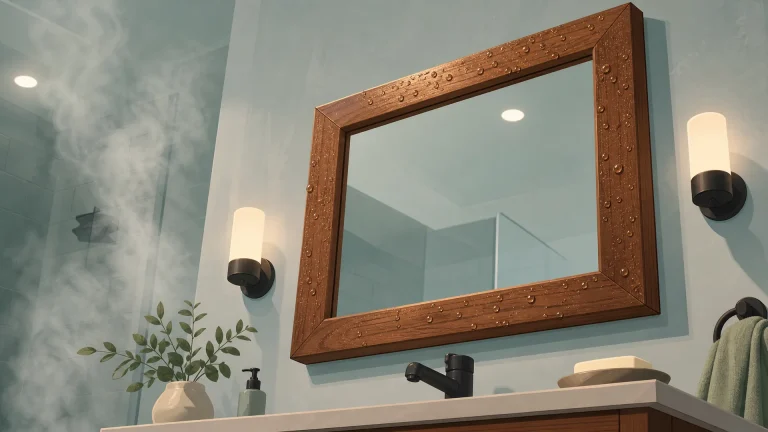
Ornate mirrors need gentler care than standard glass, to protect delicate gilding, paint, or aged wood finishes. Never spray cleaner directly onto the mirror. Liquid seeping behind the glass can desilver the backing or stain porous frame materials for good. Instead, mist a soft microfiber cloth lightly and wipe the glass in circular motions, keeping clear of the frame edges. For dust in carved crevices, a soft makeup brush or compressed air will dislodge particles without any abrasion.
Gilded frames need particular caution: water and ammonia-based cleaners dissolve gold leaf and tarnish metal alloys permanently. Dry dusting with a feather duster or lint-free cloth is enough for routine maintenance. Save professional conservation for deep cleaning or restoration work. Wooden frames may benefit from an occasional wax polish, applied sparingly with a soft cloth, but test any product on an inconspicuous area first to make sure it suits the original finish. Treat these pieces as heirlooms that need stewardship, not disposable décor.
Common Mistakes to Avoid When Styling Ornate Mirrors
Overcrowding is the most common error: too many decorative objects clustered around an already intricate frame create visual chaos. Give your ornate mirror room to breathe on the wall, and resist flanking it with matching sconces or artwork unless the wall is genuinely wide. Height placement trips up plenty of homeowners too. Hang it too high above the furniture and the connection breaks; mount it at standing eye level in a living area and you’ll have people craning their necks. Always measure from the top of the furniture, not the floor, to keep the proportions right.
Mixing incompatible ornate styles without transitional elements can undermine the whole room. A Louis XV rocaille frame beside stark industrial shelving creates tension, unless textiles or lighting step in to bridge the two aesthetics. Choosing a frame size out of proportion with the wall or furniture below has the same effect. Ornate mirrors don’t fix poor spatial planning. They amplify it, so get the layout right before you add decorative complexity.
Where to Source Quality Ornate Mirrors in South Africa
Finding ornate mirrors suited to local proportions and delivery logistics means finding a retailer that understands South African homes beyond catalogue photos. Furnicare’s curated mirror range includes ornate styles chosen specifically for South African home proportions, with reliable delivery across Gauteng, so what arrives matches what you expected. You deserve the confidence that a fragile gilded frame will reach you intact, and that its sizing suits our typical ceiling heights and wall dimensions. Browse the collection knowing each piece has been chosen with both beauty and practical fit in mind, for homes like yours.