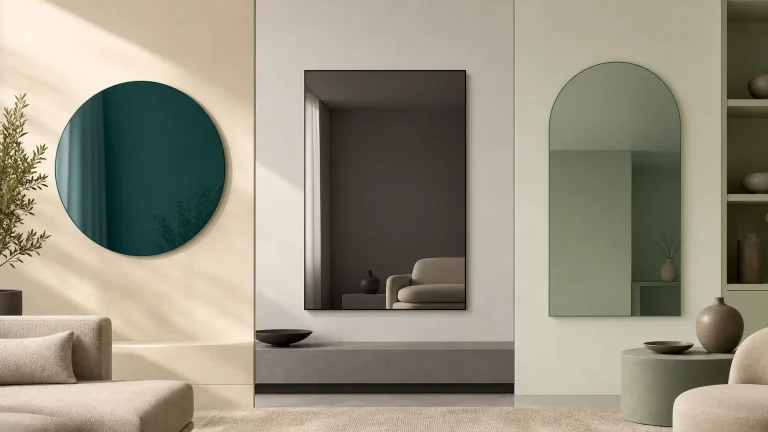
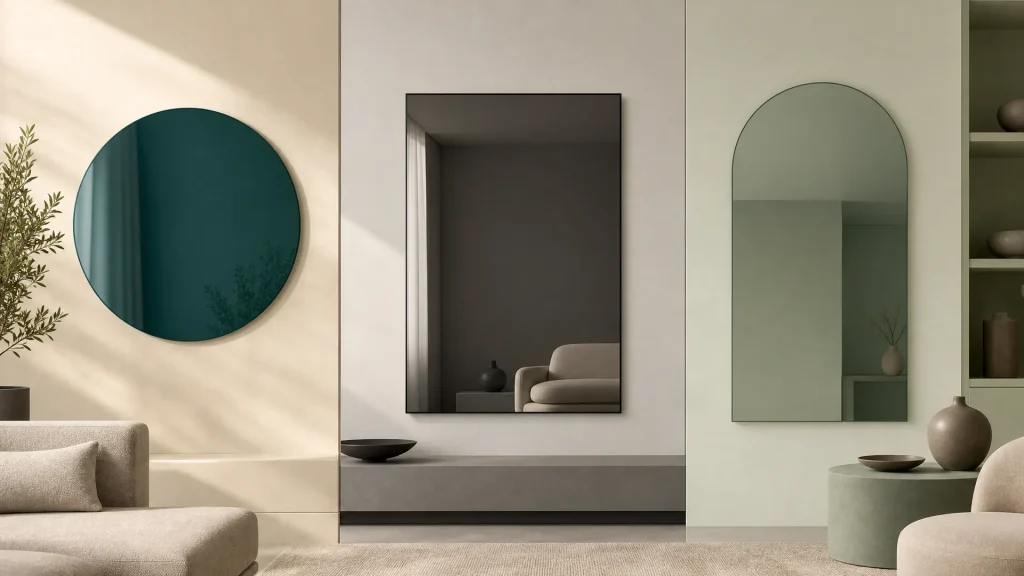
A mirror does more than reflect light. It sets the tone of a room before anyone notices why. Walk into a home where the mirror shape matches the space, and everything feels considered. Walk into one where it doesn’t, and something feels slightly off, even if you can’t quite name it.
Choosing between a round, rectangular, or arch mirror isn’t just about taste. It’s about how each shape talks to the walls, furniture, and light already in your room. Get that right, and your space feels calmer, bigger, and more like home.
Why Mirror Shape Matters More Than You Think
Every shape carries its own energy. A circle feels gentle and open. A rectangle feels grounded and structured. An arch feels soft but architectural, borrowing from windows and doorways.
These aren’t just aesthetic quirks. Shape affects how your eye moves through a room, how light bounces, and how furniture lines feel balanced or busy.
How shape influences the feel of a room
Sharp-edged rooms, full of straight furniture lines and square windows, often need a round mirror to soften them. Rooms that already feel loose or irregular usually benefit from a rectangular mirror’s order.
Arch mirrors sit between the two. They bring a curve without losing structure. That’s why they suit so many modern South African interiors right now.
Think of these three shapes as tools, not trends. Once you understand what each one does to a room, choosing becomes far easier.
Round Mirrors: Softness and Balance in Small or Busy Spaces
A round mirror has no corners to compete with. That makes it the easiest shape to place near other strong lines, like a rectangular console or a grid of framed art.
Round mirrors also tend to feel lighter visually. In smaller rooms, that lightness helps a space breathe instead of feeling boxed in.
Best rooms and spots for a round mirror
Entryways are a natural home for round mirrors, especially above a narrow console table. The curve softens the hard edges of the furniture beneath it and keeps a tight hallway from feeling cramped.
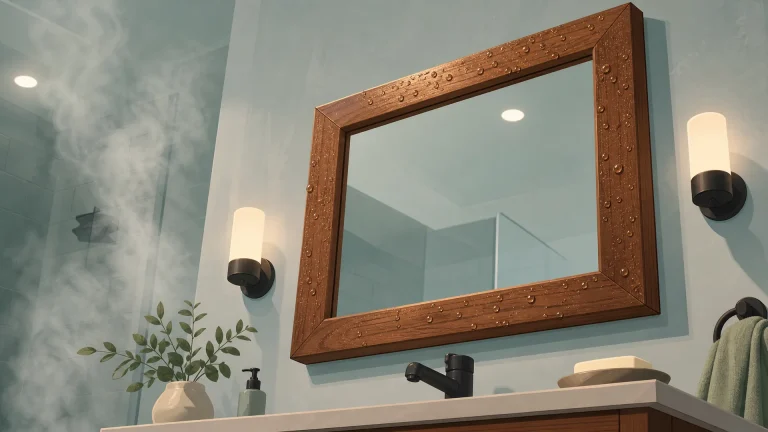
Bathrooms work well too, particularly above a single vanity where a round shape avoids competing with square tiles or cabinetry. A round mirror softens the hard lines of a rectangular hallway console. Echo the curve elsewhere in the room, say a pendant light or an arched doorway, and you get harmony instead of contrast.
Round mirrors also shine on gallery walls, where mixing shapes stops a display from feeling too rigid. Pair one with rectangular frames or artwork for a considered, layered look rather than a matched set.
Rectangular Mirrors: Classic Proportion for Bedrooms and Living Rooms
Rectangular mirrors remain a firm favourite for good reason. They suit large expanses of wall, echo the horizontal lines of furniture, and never feel out of place in a traditional or transitional home.
In open-plan living rooms, a large rectangular mirror above a console or credenza mirrors the horizontal lines of the furniture beneath it. That repetition creates a cohesive, intentional look rather than a mismatched one.
Choosing the right size above a console, dresser, or headboard
As a general guide, a mirror should sit within about two-thirds to three-quarters of the width of the furniture below it. Too narrow, and it looks like an afterthought. Too wide, and it overwhelms the piece.
Orientation matters as much as size. A landscape rectangular mirror above a dresser or headboard widens the wall visually, which suits low, long furniture. A portrait orientation draws the eye upward instead, and makes a ceiling feel higher. That works well beside a bed or in a narrow dining nook.
If you’re planning a full bedroom refresh rather than a single swap, it helps to think about the mirror alongside everything else in the room. A look at some bedroom makeover ideas can help you decide where a rectangular mirror fits into the bigger picture.
Arch Mirrors: A Soft Statement for Modern South African Homes
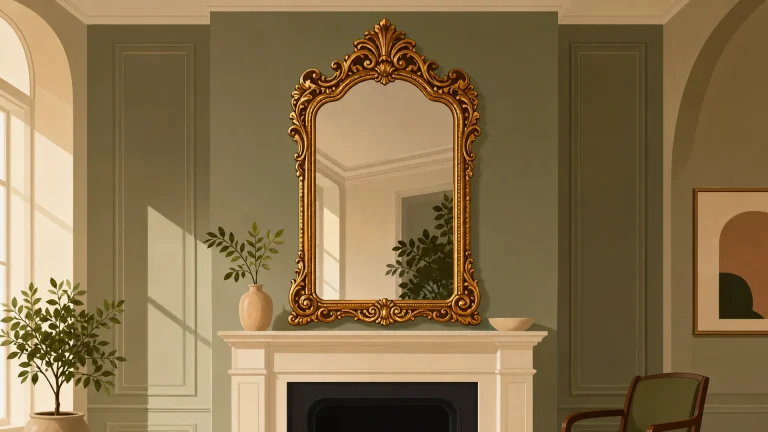
Arch mirrors have moved from niche design detail to a genuine staple in South African homes. They carry the structure of a rectangle but soften the top corners, which makes them feel less formal and more relaxed.
An arch mirror echoes the curve of a doorway or window frame. That creates visual harmony between the mirror and the architecture around it, and it’s part of why the shape reads as considered rather than trend-driven.
Where arch mirrors work best in 2026 home trends
Leaning floor mirrors in an arch shape have become a popular choice for bedrooms and living areas heading into 2027, largely because they add height and softness without needing wall fixings. They work particularly well leaning against a blank wall beside a window or wardrobe.
Furnicare customers furnishing compact Gauteng apartments often find that a tall arch mirror beside a window amplifies natural light better than a small round one. There’s simply more reflective surface catching the light at eye level and above.
Are arch mirrors a passing trend or a lasting style choice? The shape has precedent in classical architecture and has re-emerged steadily rather than suddenly. That suggests it has staying power beyond a single design cycle. If you want more context on where the style sits within broader interiors, it’s worth exploring South African room styles for 2026.
How to Choose the Right Shape for Your Space
There’s no single “correct” mirror shape. The right choice depends on your room’s size, its existing lines, and how you actually use the space.
Matching mirror shape to room function
Start with function rather than looks alone. A hallway mirror gets used for quick glances, so a round or arch shape near the door works well. A bedroom mirror often needs to show a fuller reflection, so a taller rectangular or arch floor mirror tends to serve better.
Living rooms usually benefit from whichever shape continues the lines already present. If your console and coffee table are rectangular, a rectangular or arch mirror will feel more unified than a round one competing for attention.
Decor style matters too. Minimalist, pared-back rooms often suit the clean lines of a rectangle or arch, while eclectic or maximalist spaces can carry a round mirror as a soft focal point. If you’re leaning toward a simpler overall look, some guidance on calm, functional room decorating can help you decide how much visual weight your mirror should carry.
Sizing and placement tips for small rooms
Which mirror shape makes a small space look bigger? In truth, shape matters less than placement here. Placing a mirror opposite a window can noticeably increase how bright and open a room feels, whether the mirror is round, rectangular, or arched.
That said, a round mirror often reads as less imposing on a small wall, while a tall arch mirror can make a low ceiling feel taller. For more detail on getting this balance right, there are practical mirror placement tips for small rooms worth following before you commit to a size.
If your space feels tight no matter what you try, it may be less about the mirror and more about what’s already in the room. Sometimes refreshing a cluttered room first makes the shape decision much easier, because you can actually see the walls and furniture lines you’re working with.
Caring for Your Mirror So It Stays Beautiful
Once you’ve chosen a shape, a little care keeps it looking its best. Dust with a soft, dry microfibre cloth before using any glass cleaner, so you’re not grinding grit into the surface.
For the glass itself, use a light mist of glass cleaner or a vinegar-water mix, applied to the cloth rather than sprayed directly onto the mirror. This protects the frame’s finish and stops moisture creeping behind the glass.
Check wall fixings and leaning stands every so often, especially in households with children or pets. A quick tighten now and then keeps larger arch and rectangular mirrors secure for years.
Whichever shape suits your space, choosing well pays off for a long time. If you’re ready to see the options in person, browse Furnicare’s mirror range online, or shop home décor online more broadly, with delivery available across South Africa.