Moving into a new home brings a particular kind of excitement, one that quickly meets the reality of empty rooms and a finite bank balance. You want your space to feel settled and personal, yet the question of how much it costs to furnish a home in South Africa often looms larger than the vision itself. Prices move with material quality, import duties, and local manufacturing standards, which is why generic international guides rarely help here.
This guide breaks down real costs using current South African pricing, so you can build a furnishing budget that respects both your wallet and your lifestyle. We lean toward value-driven choices that favour longevity over fast trends, so your investment keeps serving you well beyond the first year.
Setting a Realistic Furniture Budget Breakdown for SA Homes
A reasonable starting budget for furnishing a new home in South Africa typically runs from around R80,000 for a compact apartment to over R250,000 for a full family home, depending on your quality threshold and what you already own. The range is wide because a sensible furniture budget breakdown accounts for structural essentials before decorative layers. Skip that order and you end up overspending on accents while the core comfort of the house goes unmet.
Defining Essential Versus Aspirational Spending
Your initial spend should secure functional stability, not aesthetic perfection in every room at once. Interior designers consistently recommend anchoring budgets around high-touchpoint items like beds and sofas, where daily use justifies premium materials over decorative accents you can add later.
Think about what makes a house livable, separately from what makes it styled. A bed frame and mattress are non-negotiable. A headboard or bedside lamps can wait until your cash flow settles, without touching your sleep or your health.
Allocating Funds by Room Priority
Prioritise the bedroom and living area, because these are the spaces that carry your physical rest and your mental decompression after work. Kitchens often arrive partially equipped in rentals or new builds, which frees you to put dining money toward a better bed or seating that can take heavy daily use.
Guest rooms and home offices can stay sparse at first. Put your resources into the rooms you live in for twelve hours a day, and let the secondary spaces fill in over time.
Living Room Costs: Investing in Comfort and Durability
The lounge is where cost-per-use matters most, since this room takes the heaviest traffic and the widest mix of activity through the week. When you’re working out the cost of furnishing an apartment in South Africa, it helps to treat the sofa as long-term infrastructure rather than a seasonal decor item. That mindset alone prevents the premature replacement cycles that quietly drain a budget.
Choosing Multi-Functional Seating for Smaller Spaces
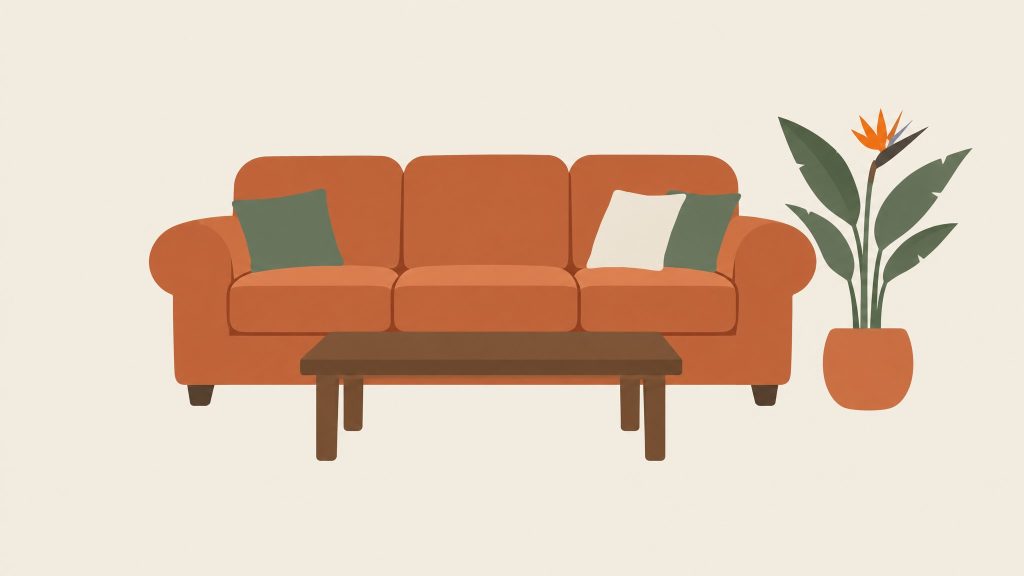
Compact urban living calls for pieces that earn their floor space through use, not just presence. The MOD Sleeper Couch folds out to do the work of a spare bed, so you’re not setting aside a whole room for occasional guests, and it still keeps clean, architectural lines.
That versatility counts for a lot when you can’t dedicate an entire room to visitors. Spending around R12,425 on one piece that covers both everyday seating and overnight guests effectively halves the cost of furnishing two separate functions.
Balancing Style with Everyday Practicality
Upholstery has to cope with South African sun, dust, and busy households without looking worn within months. Synthetic blends and treated leathers tend to outperform delicate natural fibres in high-use rooms, and they’re easier to clean and more resistant to fading under our UV.
Steer clear of light-coloured linen if you have pets or young children, unless it’s specifically treated for stain resistance. Practical durability keeps a piece looking good for years, where trend-driven fabric often needs professional cleaning after every small accident.
Bedroom Furnishing Expenses: Prioritizing Rest and Storage
Sleep quality tracks closely with how solid your bed base is and how breathable your mattress is. Skimp here and you create a false economy: discomfort builds quietly until you’re facing chiropractic bills, or replacing the bed sooner than you’d have spent on quality the first time.
Selecting Beds That Anchor the Room
Material choice drives both price and lifespan in bedroom furniture. The Dingaan Genuine Leather Sleigh Bed sits at investment-tier pricing, around R19,999 to R21,999. That price reflects genuine leather and solid construction, which cost more upfront but outlast veneer alternatives that peel or warp over time.
Entry-level fabric beds can save money today, but they often lack the internal reinforcement a bed needs for the long haul. Knowing the difference is what separates affordable quality from false economy, and it keeps your anchor piece structurally sound through multiple moves and mattress changes.
Dressers and Vanities for Organized Living
Storage keeps clutter from eroding the sanctuary feeling a bedroom should have. The Lampung Mahogany Wood Dresser sits at a mid-range price, around R11,639, and shows how solid timber storage adds warmth and real organisational capacity without reaching custom-built prices.
Pair it with a White Dresser Stool at around R2,979, and you have a functional vanity zone that pulls your grooming essentials into one place. Together, these pieces give you a coordinated look and real utility that a freestanding mirror or a plastic organiser can’t match.
Dining Area Budgeting: From Daily Meals to Entertaining
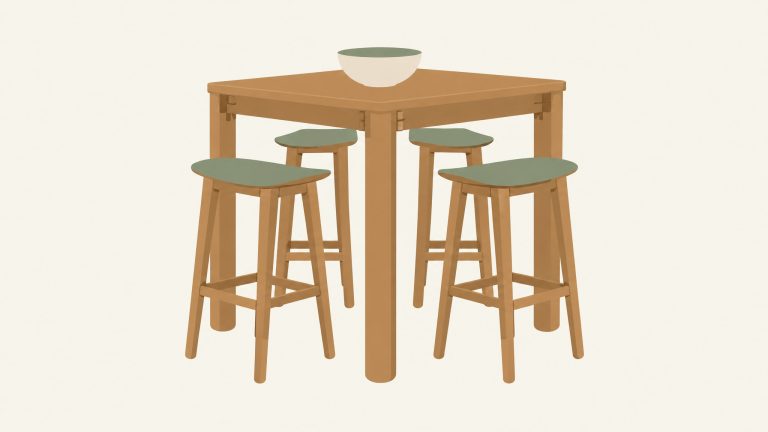
Dining furniture sits in an unusual spot: it carries real emotional weight, and it takes daily mechanical stress from use and cleaning. Solid wood pieces like the Bistro Solid Oak Wood Dining Table, priced from around R17,346 to R24,300, are heirloom-tier investments. They hold their structure and their look long after composite alternatives have given up.
Solid Wood Tables as Long-Term Investments
Engineered timber swells when it meets moisture, and it can’t be sanded down to lift deep scratches or heat marks. Solid oak can be refinished many times over its life, so the higher price upfront amortises over thirty years rather than five. That changes the long-term math considerably.
You get this benefit even if you don’t plan to keep the table forever. Second-hand solid wood furniture holds its resale value well in South Africa, while particle board pieces typically have none left by the time you upgrade or move.
Complementary Servers and Sideboards
You don’t need to buy a coordinating dining set all at once to get visual cohesion. The Bistro Solid Oak Wood Dining Server, at around R9,423, lets you extend the suite later, spreading the cost across a few pay cycles while keeping the design consistent.
If your budget sits below solid-oak territory for now, budget-friendly dining sets give you an accessible starting point without giving up on function. This phased approach keeps the dining area working and welcoming while you save for the heritage pieces.
Home Office and Specialty Room Considerations
Specialty rooms can usually wait until your primary living areas are sorted. The Executive Yale Plain Brown Leather Wingback Office Chair sets the benchmark for professional-grade comfort at around R15,700, but a chair at that level only makes sense once your bedroom and lounge are in good shape.
Remote work has turned ergonomic seating into a genuine health consideration rather than a luxury. Even so, it doesn’t suit every situation equally. If you mostly work from a laptop at the kitchen counter, or hot-desk at a co-working space a few days a week, putting fifteen thousand rand into a dedicated office chair may pull money away from the rooms you actually live in daily.
The Cheapest Way to Furnish a House Without Compromising Quality
Real affordability comes from timing and material sense, not from chasing the lowest sticker price in the shop. Buy bundled sets during seasonal sales, choose shapes that don’t date, and you avoid the costly churn of replacing fashionable pieces that look tired within eighteen months.
Smart Shopping Strategies for New Homeowners
Buying from one trusted supplier tends to unlock logistical efficiencies and a more cohesive look than piecemeal shopping ever manages. Furnicare’s range covers essential categories from bedroom dressers to dining servers, so you can furnish a whole home through a single supplier with nationwide delivery, cutting out the coordination headaches and duplicate shipping.
Consolidating your order also makes warranty management and support simpler. When a question comes up about care or assembly, one contact who knows your whole purchase history solves it faster than juggling several retailers with different policies.
Maintenance as a Cost-Saving Measure
Proper care stretches furniture lifespan considerably, which lowers the real cost of furnishing a home in South Africa over time. Condition leather regularly to stop it cracking, rotate cushions so wear spreads evenly, and use coasters to protect wood finishes from water damage that’s expensive to undo.
Neglect speeds up depreciation faster than anything else. Ten minutes of maintenance a month can preserve thousands of rand in replacement value, which makes upkeep the most underused budgeting tool a homeowner has.
Creating Your Personalized Furniture Shopping List New Home Owners Trust
Generic templates fall short because they ignore your floor plan, your light, and your daily habits. A checklist built around your actual lifestyle means every purchase solves a real problem, not a theoretical one dreamed up by someone who has never walked through your front door.
Your home should reflect who you are and support how you live.
Frequently Asked Questions
What is a reasonable budget to furnish a house in South Africa?
A realistic starting budget ranges from R80,000 for a basic apartment setup to over R250,000 for a fully furnished family home with quality pieces. This depends heavily on whether you prioritize solid wood and genuine leather investments or opt for more affordable engineered alternatives. Always allocate funds to high-use items like beds and sofas first before spending on decorative accents.
Can R100,000 furnish a home comfortably?
Yes, R100,000 can furnish a two-bedroom apartment or small home comfortably if you prioritize essentials and choose mid-range durable materials over premium luxury items. Focus your spend on a quality bed, functional sofa, and basic dining set before adding storage or decor. Phased purchasing allows you to fill gaps over time without compromising core comfort.
Which rooms should I furnish first when moving in?
Prioritize the bedroom and main living area because these spaces directly affect your sleep quality and daily relaxation. A proper bed and comfortable sofa prevent physical strain and mental fatigue during the transition period. Guest rooms, home offices, and formal dining areas can remain minimal until your primary zones are fully functional and comfortable.
Is solid wood furniture worth the extra cost in South Africa?
Solid wood is worth the investment for high-use pieces like dining tables and dressers because it can be refinished and repaired unlike veneer or particle board alternatives. While the upfront cost is higher, the lifespan extends decades rather than years, improving resale value and reducing replacement frequency. For low-wear items like side tables, engineered wood may suffice to balance your overall budget.