📦 Free Delivery on Linen & Decor: Orders over R1,999 (Gauteng) | Over R2,999 (Rest of SA) 🚛 Premium Furniture Delivery: Gauteng Flat Rate R1,500 | Nationwide Shipping Available
📦 Free Delivery on Linen & Decor: Orders over R1,999 (Gauteng) | Over R2,999 (Rest of SA) 🚛 Premium Furniture Delivery: Gauteng Flat Rate R1,500 | Nationwide Shipping Available
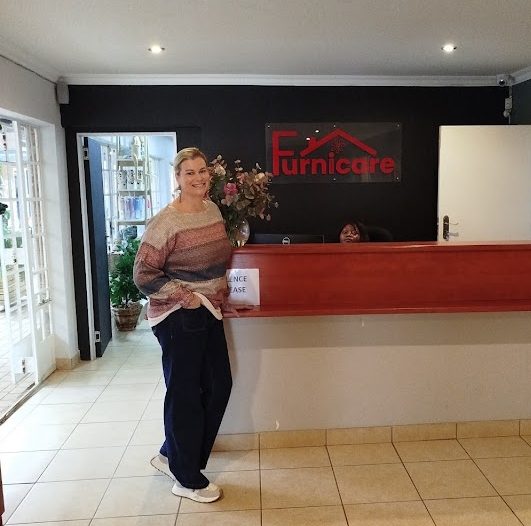
Choosing where to buy furniture, décor, or linen feels like a small decision. Until you’re the one waiting weeks for a delivery, or trying to get a straight answer about a couch that arrived with a scratch. That’s when who you’re actually buying from starts to matter. Support furniture businesses like Furnicare vs corporate group companies is a live topic for South African shoppers for one reason: who stands behind what you’re buying, and how they treat you once the sale is done.
An independent furniture retailer is exactly what it sounds like. One business, one focus, one team accountable for the products it sells. A corporate group company works differently. It often owns several unrelated store brands under one holding structure, each competing for the same central resources, buyers, and decision-makers.
That structural difference isn’t just an org chart detail. It shapes what lands on the shelf, how fast a query gets answered, and whether the person you speak to actually knows the product. Furnicare is an independently run South African online retailer. It delivers furniture, décor, linen, and cleaning solutions directly to homes across the country, rather than operating as one interchangeable brand inside a large furniture conglomerate.
When one company owns many different retail brands, buying decisions tend to get made centrally, often far from the customers who’ll actually use the products. Ranges get built for scale and consistency across hundreds of stores, not for how South African homes actually live day to day.
A focused business works from a different starting point. It builds a range around its own customers, in its own market, and can change course quickly if something isn’t working. That’s a meaningful difference when you’re choosing furniture for a specific home, in a specific climate, on a specific budget.
Supporting a smaller, focused furniture business isn’t just a feel-good choice. It has practical benefits for South African homeowners, especially when things don’t go perfectly to plan. That happens with any retailer, big or small.
Furnicare serves customers across Gauteng, delivering furniture, décor, and linen directly to homes rather than routing every decision through a distant regional office. That closeness to the customer tends to mean faster, more personal responses when something needs sorting out.
At an independent retailer, there’s usually a shorter line between you and the person who can actually fix a problem. Nobody passes you between departments that don’t talk to each other, or escalates you through layers built for a much bigger, more impersonal operation.
That accountability matters when you’re spending real money on a dining suite or a bed that needs to last for years, not just look good in a showroom. A business that built its own name has a direct reason to protect it.
Independent retailers like Furnicare can adjust a curated range in response to what South African homes actually need this season, such as small-space furniture or linen suited to our climate, instead of following a national buying calendar set for hundreds of stores. That flexibility shows up in practical ways, from prioritising a timeless sleigh bed range to stocking linen that actually suits local conditions.
When you order a sleigh bed or a dining suite from a dedicated furniture business, the person curating that range often understands the product story behind it. That’s not always true at a group company managing dozens of unrelated store fascias from a central buying office.
None of this means corporate furniture groups are bad, or that scale is always a downside. Large groups can offer buying power, wide footprints, and, in some cases, lower prices on certain items. But that scale comes with trade-offs worth knowing about before you buy.
Are corporate furniture groups always cheaper, though? Not necessarily. And even where they are, price is only part of the picture. A lower sticker price doesn’t tell you much about how quickly someone replaces a damaged item, or whether anyone can explain what a product is actually made of.
Bigger operations often centralise customer service, which can mean longer waits and less continuity when you call about an order. You might speak to someone different every time, none of whom were involved in the original sale.
Product ranges can also feel more generic at scale, built to suit as many stores and regions as possible rather than any one type of home. That’s simply how large, multi-brand structures tend to operate. It’s not a flaw so much as a natural consequence of running many different store brands from one head office.
Whichever type of retailer you’re considering, the same practical checks apply. It’s worth asking a few direct questions before you commit, especially for larger purchases like beds, couches, or dining sets.
South African homeowners increasingly compare online furniture retailers on delivery reliability and after-sales support as much as on price. That’s largely because these are the areas where large corporate groups often centralise service and slow down response times.
Start with delivery. Does the retailer give you a clear timeframe? Do they deliver to your area directly, or through a third party you can’t easily contact? If you’re considering buying a couch online in South Africa, delivery reliability should sit right alongside style and price on your checklist.
Ask about quality, too, and expect a real answer. For upholstered furniture, understanding fabric rub count gives you an actual number to compare, rather than a vague promise that something is “hard-wearing.” A retailer that can tell you the rub count, or point you to it, is one that understands what it sells.
Finally, ask what happens after the sale. Is there a returns process? Is there someone you can call directly if a product arrives damaged, or if a delivery is delayed? The answers tell you a lot about whether support is built into the business, or bolted on as an afterthought.
Look for specificity. A business that genuinely cares talks about its products in real detail, not just in broad marketing language. It should explain fabric, construction, and care instructions without hesitation.
Also look at how a retailer talks about your home, not just its products. A business focused on thoughtful, functional room decorating is signalling that it thinks about how furniture actually lives in a space, not just how it photographs. That’s a small but telling sign of genuine care.
Range coherence matters too. If a retailer offers shopping home décor online alongside furniture and linen, in a way that feels considered rather than thrown together, that’s usually a sign of a business that curates deliberately. Compare that with a range that feels assembled purely to fill shelf space.
Furniture isn’t just a transaction. It’s the couch your family gathers on, the bed you sleep in every night, the linen that makes a room feel like yours. That’s worth buying from someone who genuinely cares whether it lasts, not just whether it sells.
Furnicare exists to serve South African homes directly, with a curated, considered range across furniture, décor, and linen, backed by a team that answers to its own name, not a distant head office. If choosing quality bed linen or finding a couch and dining set that actually suits your space feels like the kind of decision you’d rather make with someone in your corner, that’s exactly the kind of relationship an independent retailer is built to offer.
Take a look through Furnicare’s range online, and see what a home built with a retailer you trust can feel like.