📦 Free Delivery on Linen & Decor: Orders over R1,999 (Gauteng) | Over R2,999 (Rest of SA) 🚛 Premium Furniture Delivery: Gauteng Flat Rate R1,500 | Nationwide Shipping Available
📦 Free Delivery on Linen & Decor: Orders over R1,999 (Gauteng) | Over R2,999 (Rest of SA) 🚛 Premium Furniture Delivery: Gauteng Flat Rate R1,500 | Nationwide Shipping Available
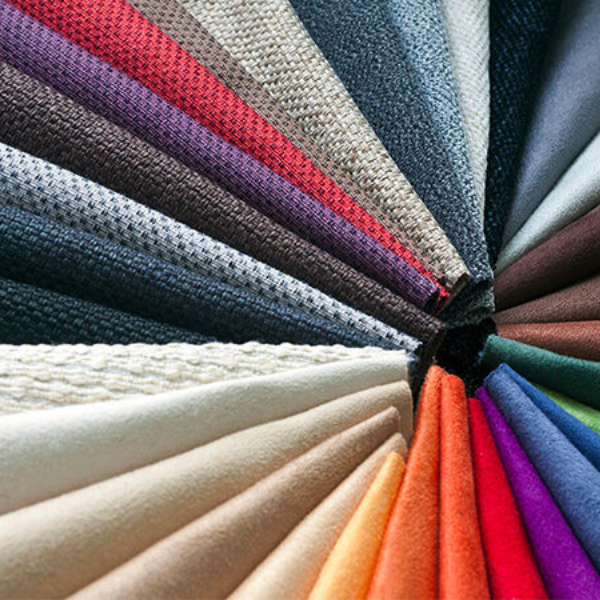
If you’ve ever picked up a fabric swatch in a furniture showroom and noticed a number like “20,000” printed on the tag, you’ve already met rub counts on fabric, even if nobody explained what they meant. That number tells you how much wear a fabric can take before it starts to show signs of damage. Understanding it can save you from buying a beautiful couch that looks tired within a year, or spending extra on durability you didn’t actually need.
A rub count measures a fabric’s resistance to abrasion. In plain terms, it tells you how many cycles of rubbing the material can survive in a lab test before it starts to pill, thin out, or wear through. The higher the number, the more friction and everyday handling the fabric can shrug off.
This matters because a couch fabric doesn’t just sit there looking pretty. It gets sat on, leaned against, and brushed past by kids, pets, and guests almost every day. Rub count gives you a way to compare how different fabrics will hold up to that kind of contact, before you’ve even brought the couch home.
The most widely used method for measuring rub count is the Martindale test. A sample of fabric is rubbed against a standard abrasive material in a figure-eight motion, using a machine designed to replicate the kind of friction upholstery experiences over years of use. Every pass of that motion counts as one rub.
Technicians check the fabric at regular intervals for visible wear, such as thread breakage or pilling. The count at which the fabric starts to fail is its rub count rating. South African upholstery guides and international ones reference this same method, so a rub count printed on a South African fabric swatch generally means the same thing as one on a European or Australian swatch. That consistency is what makes it genuinely useful for comparing fabrics from different suppliers.
Once you know what the number represents, the next step is understanding what counts as good, average, or exceptional for the way you actually live. Rub counts aren’t a pass-or-fail grade. They’re a scale, and where a fabric sits on that scale should match how much wear your furniture will realistically take.
You don’t need technical training to make sense of this. Most upholstery is grouped into a handful of general bands, and once you know them, reading a swatch tag becomes second nature.
Furniture industry guidelines commonly classify fabric below 10,000 rubs as suitable for light or decorative use, 15,000 to 25,000 rubs as medium domestic use, and 30,000+ rubs as heavy-duty domestic or contract-grade use. Fabrics under 10,000 rubs tend to suit cushions, occasional chairs, or decorative pieces that don’t get sat on daily.
Fabrics in the medium range work well for spare rooms, studies, or households where the couch sees moderate, fairly gentle use. Anything rated 30,000 rubs or above is built for the kind of daily wear a busy household living room delivers, and it’s also the level commercial spaces like offices and hospitality venues typically require.
Knowing the bands is useful, but the real question is what your household actually needs. The honest answer depends on who uses the furniture, how often, and what else shares the space with it.
A high-traffic family living room couch benefits from fabric rated above 30,000 rubs, while an occasional-use guest chair can perform well even at 10,000 to 15,000 rubs. If your living room is the hub of the house, where kids do homework, pets curl up, and everyone gathers to watch a movie, that daily friction adds up quickly.
Pet owners and households with young children are often advised to prioritise fabrics rated 30,000 rubs or higher, paired with tightly woven weaves that resist snagging. Claws, toys, and constant fidgeting are hard on upholstery, so a higher rub count buys you real peace of mind rather than just a number on a tag. At Furnicare, we choose upholstery fabrics with household durability in mind, so the couches and chairs we deliver across Gauteng and beyond are built to handle real family life.
Not every room in your home takes the same beating. A guest bedroom chair, an occasional-use armchair in a formal lounge, or a piece in a rarely visited study doesn’t need the same rub count as your main couch. In these lower-traffic spaces, you can often prioritise colour, pattern, or texture over sheer toughness, because the fabric simply won’t see the same daily wear.
This is also useful to know if you’re furnishing a rental property or a second home, where usage patterns are lighter and budget efficiency matters more than maximum durability.
A high rub count is a strong signal, but it isn’t the whole story. Fibre type plays a real role in durability too. Synthetic and blended fabrics, for example, often resist wear and fading differently than natural fibres like cotton or linen, even at similar rub count ratings.
Weave tightness matters as well. A densely woven fabric tends to resist snagging and stretching better than a loosely woven one, even when their rub counts are close. Colourfastness is another factor worth considering, especially if your furniture sits near a sunny window, since fading can make a couch look worn well before the fabric itself actually degrades.
Finally, how you care for a fabric affects its lifespan just as much as its rub count. Regular vacuuming, prompt spot cleaning, and avoiding harsh chemicals all help fabric perform closer to its full potential. If you want practical, actionable steps, it’s worth reading up on keeping your fabric couch looking its best, because even a 40,000-rub fabric will wear out faster if it’s never cleaned properly.
What is a good rub count for a couch used by a family every day? For daily family use, aim for fabric rated 30,000 rubs or higher. This range is built to handle the constant sitting, leaning, and general activity that a busy household living room sees every day.
How is fabric rub count tested and measured? Rub count is measured using the Martindale test, where a machine rubs the fabric against an abrasive material in a figure-eight pattern. Technicians count the cycles until visible wear appears, and that number becomes the fabric’s rub count rating.
What rub count is considered durable enough for pets and children? Households with pets and children are generally best served by fabric rated 30,000 rubs or above. Pairing that with a tightly woven fabric adds extra resistance to snagging from claws or rough play.
Does a higher rub count always mean better quality fabric? Not necessarily. Rub count measures abrasion resistance specifically, not overall quality. A fabric can have an excellent rub count but still be a poor colour match, an uncomfortable texture, or prone to fading. It’s one factor among several, not a single measure of quality.
How does rub count compare to other durability factors like weave and fibre type? Rub count tells you how a fabric resists friction, but weave tightness and fibre type influence things like stretching, snagging, and how gracefully the fabric ages over time. The most durable choices usually combine a strong rub count with a tight weave and a fibre suited to your lifestyle.
Where can I find the rub count rating before buying furniture online? Reputable furniture retailers usually list rub count on the product page or in the fabric specification details, sometimes alongside care instructions. If it isn’t listed, ask the retailer directly before you buy, especially for a piece meant to handle daily family use.
Rub count is a small number that tells a big story about how your furniture will hold up over the years. Once you know how to read it, you can shop with real confidence instead of guessing.