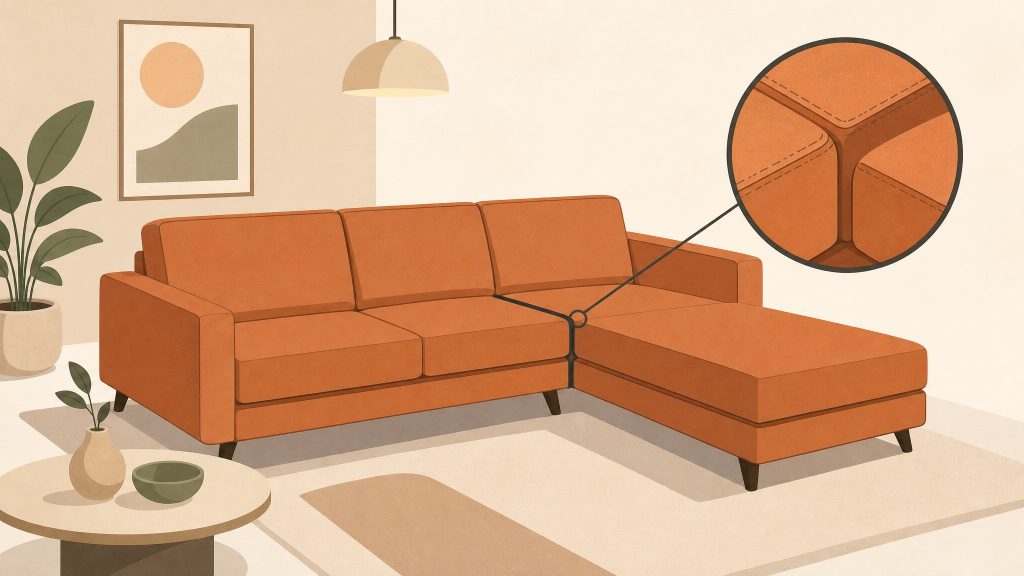
A corner couch anchors a living room. It gives you the kind of deep, communal seating that makes a house feel like home. But that generous L-shape asks for more than generic sofa advice if it’s going to stay beautiful over time. The corner joint and the long chaise carry stress in ways a straight three-seater never does, and caring for them properly is what keeps your couch a sanctuary rather than a source of frustration.
Why L-Shape Sofa Care Differs From Standard Sofas
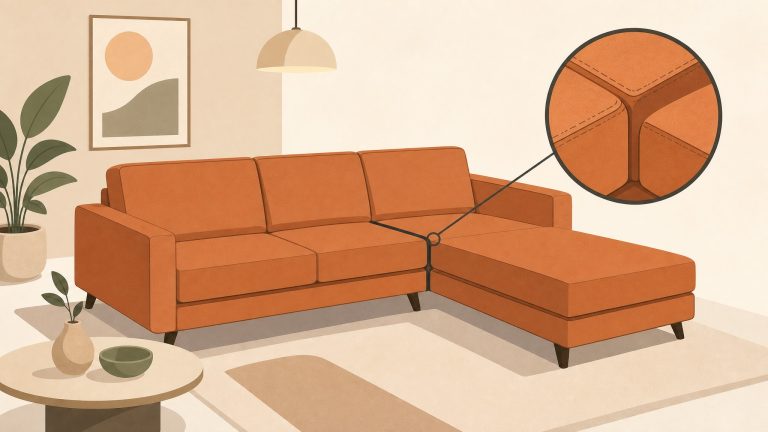
The shape that gives you such wonderful lounging space also creates wear patterns a standard three-seater simply doesn’t face. You can’t treat an L-shape suite exactly like a straight sofa, because the corner junction takes concentrated mechanical stress every time someone sits down or stands up from the chaise section.
High-Traffic Corner Seams and Stress Points
Furniture care specialists say corner couch seams carry significantly higher tension during daily use, which is why they recommend checking the stitching every six months to catch splitting before it becomes irreversible. This junction is a pivot point: body weight transfers between the main seat and the extended chaise here, so fabric fibres stretch and threads fatigue faster than they do along a straight run. Check these seams regularly and you’ll catch a loose thread while it’s still just a loose thread, not a tear that compromises the whole piece.
Chaise Cushion Wear Patterns
The elongated chaise cushion supports legs and torso at once, which creates uneven compression zones you won’t see on a standard seat pad. People tend to rest their feet in the same spot every time, so the lower third of the chaise often compresses permanently while the upper section keeps its loft. The result is visible ridges and awkward valleys. Fixing that asymmetry means paying attention to how bodies actually use the extended surface, not just fluffing the cushion and hoping.
How to Clean a Corner Couch by Material Type
South African homes bring their own challenges to the table, from Gauteng’s dry winter dust to coastal humidity that can encourage mould in neglected crevices. Your cleaning approach needs to account for the material and the local climate, in ways an imported guide often won’t.
Fabric Upholstery Maintenance Routines
Fabric corner couches absorb dust and allergens deep in the weave, so regular vacuuming with an upholstery attachment matters for both fibre integrity and indoor air quality. When you spot clean, blot rather than rub, and use a mild detergent suited to the specific textile so you don’t set the stain or leave a water mark that just attracts more dirt. A professional steam clean once a year lifts embedded grime that surface methods miss. It restores the fabric’s breathability, too, which stops an older couch from feeling stiff and harsh against your skin.
Leather Corner Couch Maintenance in South Africa
Leather corner couch maintenance in South Africa is a balancing act: you’re fighting the drying effects of strong sunlight in summer and artificial heating in the cooler months. Condition the leather quarterly, using products made for local tanning processes; imported conditioners sometimes leave a sticky wax residue in our warmer climate. Wipe the surface weekly with a slightly damp microfibre cloth to lift dust before it can scratch the finish. Pay particular attention to armrests and headrest areas, where natural oils build up and can darken the leather unevenly over time.
Corner Couch Cushion Maintenance and Shape Retention
Cushions define the comfort and silhouette of your corner couch, yet they’re often the first thing to show neglect through sagging, lumpiness, or a permanent body impression. Understanding cushion inner composition and shape retention helps you match your maintenance to the filling, whether that’s high-resilience foam, a feather blend, or synthetic fibre.
Fluffing Sagging Couch Cushions Correctly
Fluffing a sagging cushion takes more than a quick shake. For foam cores wrapped in batting, knead the edges gently toward the centre to reposition the padding, then plump the cushion vertically so it expands evenly. Feather-filled inserts want a vigorous shake, followed by breaking apart any clumps by hand, so the down regains its air pockets instead of settling into a dense mat at the bottom of the cover.
Rotating Chaise and Seat Pads
Rotating the chaise cushion monthly, rather than seasonally, spreads body weight impressions more evenly across that larger surface and delays the day you need to reupholster. Swap left and right seat pads if your covers are reversible, and flip each cushion front-to-back so the load alternates sides during evening relaxation. It’s a small habit, but it stops permanent hollows forming in favourite spots, and it keeps the whole seating surface ageing at the same rate.
Protecting Corner Couches From Sun and Daily Wear
Upholstery in a sun-exposed South African living room can show visible fading within 12 to 18 months without UV protection, especially in darker fabric dyes and untreated leathers. Strong ultraviolet light combined with dry air speeds up colour loss and makes fibres brittle, so shielding your couch proactively matters as much as cleaning it.
Managing UV Exposure in Bright SA Living Rooms
Positioning your corner couch away from direct afternoon sun is the single most effective way to prevent premature fading and leather cracking. If you can’t move it, window film or sheer blinds filter out harmful rays while keeping the natural light, cutting UV penetration by up to ninety percent without darkening the room. Rotate scatter cushions and throws now and then too, so any exposure the couch can’t avoid affects the whole piece evenly rather than leaving a stark line between the protected and exposed sections.
Using Covers Without Compromising Style
Protective corner couch covers have moved on from the clinical plastic sheets of past decades. The tailored versions now come in breathable fabrics that suit modern interiors, guarding against spills and pet damage while still looking like they belong in the room. Choose a neutral tone or a textured weave that works with your existing décor, and treat the cover as a design layer rather than just a barrier. Washable slipcovers let you refresh the look each season, or after an accident, which extends the life of the upholstery underneath and gives you room to experiment with colour without committing to a full reupholstery.
Extending the Life of a Fabric Corner Couch
This guide is about preserving what you already have. It won’t reverse severe structural damage, and it can’t restore fabric that’s already disintegrated beyond repair. Preventative care works best when you start early and keep at it, turning what would be an occasional deep clean into a manageable weekly habit.
Vacuum the crevices weekly with a narrow nozzle to get out the crumbs, pet hair and dust mites that build up where cushions meet frame and arms. Treat spills immediately with a cleaner suited to your fabric, blotting from the outside inward so you don’t leave a ring, and go easy on the moisture, since too much invites mould in humid conditions. These small actions add up over months and years. Fibres stay resilient and colours stay bright far longer than they would if you only cleaned after the fact.
When to Refresh Versus Replace Your Corner Couch
Knowing when to restore and when to replace saves you money and emotional energy, especially once sentimental attachment starts clouding a practical decision. Surface wear, like faded fabric or a minor scratch, usually responds well to professional treatment. A compromised frame or a persistent odour is a different story, and no amount of cleaning will fix it.
Signs of Structural Fatigue
Listen for creaking joints, feel for broken springs through the seat cushions, and check whether the frame rocks on a level floor when you press down on the corners. These are internal failures that affect safety and comfort no matter how the couch looks from the outside, and they usually come from age, a manufacturing defect, or months of load beyond what the frame was built for. If a structural repair would cost more than half the price of a comparable new piece, replacement is generally the better value for your household.
Styling Updates That Extend Usability
Styling scatters on an L-shape sofa can change its whole character without a cent spent on reupholstery. Layer a textured throw over a worn armrest or chaise end to hide minor damage while adding some warmth, and bring in accent cushions in the season’s colours to draw the eye toward what you’ve chosen, not toward the ageing upholstery. It buys you time, and it keeps a beloved piece feeling cared for, until the budget or the moment is right for a full upgrade to durable corner couch options that fit where your life is headed.
Building a Long-Term Care Routine for Your Living Space
Consistent care keeps more than the physical condition intact. It protects the welcoming feeling that makes your home a refuge. The turn of South Africa’s seasons gives you a natural rhythm for the deeper maintenance tasks.
Spring is a good time for a professional steam clean on fabric suites, or a conditioning treatment for leather, addressing the dryness that built up over winter and getting the upholstery ready for summer’s heavier use and sun. Autumn is when you inspect the seams, rotate every cushion properly, and check whether the covers need washing or replacing before the festive season brings more people through the door. Managing sun and humidity damage year-round, through where you place the couch and how you ventilate the room, closes the loop, keeping the comfort and the look that drew you to it in the first place.
Your home deserves furniture that ages well alongside your family’s memories. Furnicare’s curated range includes corner couches chosen for durability in South African homes, with construction details built to support the kind of care routine this guide has laid out.