Finding the right seating for your home means balancing your budget today with the long-term desire for pieces that feel genuinely yours. Search “bar stools South Africa price” and you’ll find a market flooded with options that look similar in thumbnails but differ vastly in construction and longevity. The real challenge is telling disposable imports apart from handcrafted solid wood furniture, the kind that earns its place in your daily life through durability and a design that doesn’t date.
This guide moves beyond generic listings to help you understand what actually drives value in local craftsmanship, and how material choices, upholstery types, and dimensions translate into real-world satisfaction for South African homes that want to feel curated, not just furnished.
Understanding Bar Stool Pricing Tiers in South Africa
Solid wood seating in our market splits into two camps: mass-produced volume items, and artisanal joinery built for structural integrity over speed. It’s tempting to chase the lowest upfront figure. But true value shows up in the cost per year of use, in a piece that holds its beauty and stability through decades of daily interaction.
Handcrafted wooden stools cost more upfront. They use proper joinery and sustainably sourced timber that factory-made alternatives can’t replicate at scale.
You deserve to know where your money goes when you’re investing in furniture meant to last.
Mass-produced imports often rely on veneers over composite cores, held together with mechanical fasteners that loosen over time. That means premature replacement, which ends up costing more than buying quality once. Locally crafted solid wood pieces distribute weight through traditional joints and natural grain strength instead, so the stool stays steady even as it develops a patina. The difference is obvious the moment you sit down: genuine oak or kiaat under you feels like a reason to prioritise longevity over a quick saving.
Solid Wood Options: Oak, Kiaat, and Mahogany Compared
Choosing a timber is an emotional decision as much as a practical one. Each species brings its own atmosphere and grain character, and that sets the mood of a room. If you’re comparing kiaat, oak, and mahogany timbers for the first time, you’ll notice how differently these indigenous and imported hardwoods speak, from Scandinavian minimalism to classical, romantic warmth. Get this right and your new seating complements what you already own instead of fighting it.
Functional Versatility at 500mm Seat Height
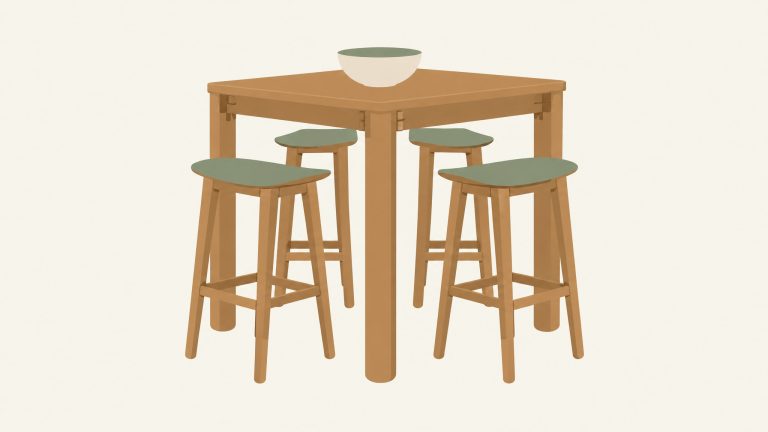
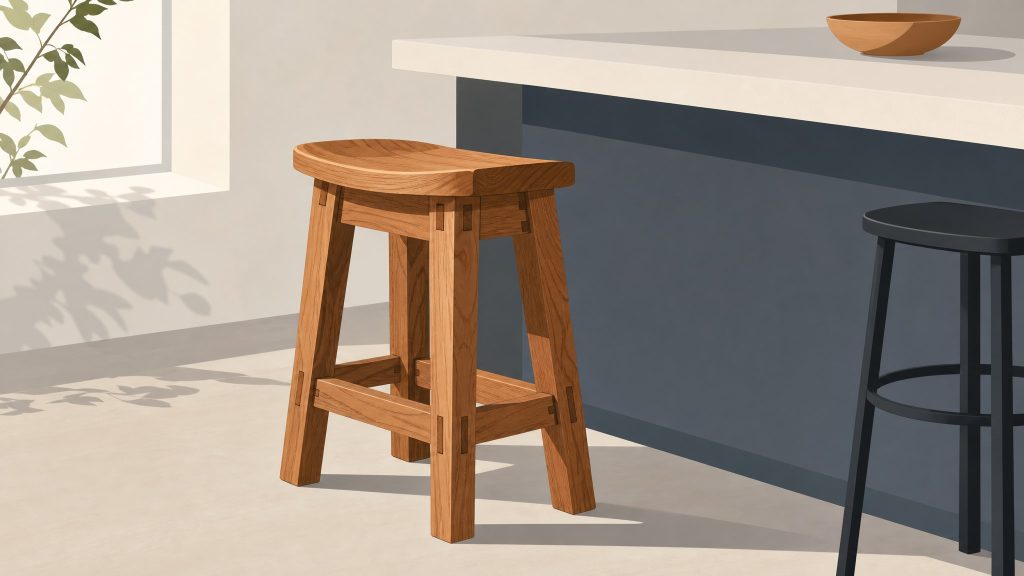
Standard bar height doesn’t suit every surface, which is why the 500mm seat height on dresser stools matters so much for South African living. It sits at the right level for vanity tables, lower kitchen counters, and compact workspaces, anywhere a full-height bar stool would feel wrong for extended sitting. The Oak Wood Dresser Stool has a 420mm x 420mm square footprint and that same 500mm seat height, joinery precise enough that it tucks away neatly while staying easy to pull out.
These pieces do a lot without asking for much floor space, which matters when you’re choosing furniture for small spaces and every square centimetre has to earn its keep. At a dressing table in the morning, or pulled up to a kitchen island for a casual evening meal, this height bridges the gap between formal dining chairs and high bar seating. One stool, several jobs, no need to buy separately for each one.
Distinct Timber Characteristics
Kiaat and mahogany bring indigenous African warmth and classical, romantic detailing respectively, and they sit at similar price points: the Kiaat Wood Dresser Stool with Beige Fabric Seat is priced around ZAR 2979, and the Sleigh Mahogany Wood Dresser Stool with Turned Legs & Genuine Leather Seat around ZAR 3104 (prices may change, so treat these as a guide rather than today’s exact figure). Kiaat brings rich, golden-brown tones with organic elegance; the sleigh mahogany stool introduces heritage refinement through turned legs and deeper reddish hues. Kiaat mellows into warmer amber over time. Mahogany develops a depth that only improves with use.
This isn’t furniture for cheap, high-turnover commercial seating. Solid wood asks you to appreciate natural variation, and if you want uniform perfection or zero-maintenance synthetics, look elsewhere. But if authenticity matters to you, the small differences in grain and colour read as signatures of quality, not flaws, and they connect your room to the living history of the tree.
Upholstery Choices: Fabric Versus Genuine Leather
What you actually sit on shapes both daily comfort and long-term upkeep, which makes upholstery as important a decision as the wood frame underneath it. Think honestly about your household: how much sun the room gets, whether there are kids or pets around, whether you prefer tactile warmth or cool sophistication. Fabric and leather both have real merit, but they age differently, and that affects how happy you are with the choice years after you’ve made it.
Living with Beige Fabric
Beige fabric gives you immediate softness and visual lightness, which works beautifully in bedrooms and sunlit spaces where you want the seating to feel inviting rather than imposing. The Oak Wood Dresser Stool with Beige Fabric Seat is a good example: neutral texture that blends with most colour schemes and forgives a little dust. It breathes against skin too, which is welcome in a hot South African summer, though spills need quick attention and the fabric benefits from the occasional professional clean.
The Enduring Appeal of Genuine Leather
Genuine leather develops character with use. It gains a subtle sheen and softness that no synthetic manages, however well made. The Kiaat Wood Dresser Stool with Genuine Leather Seat pairs indigenous timber with leather that resists dust and wipes clean easily, practical for a busy household despite its luxurious feel. It warms to body temperature fast and stays comfortable year-round, though in drier climates or direct sun, an occasional conditioning treatment keeps it from drying out.
Styling Your Space with Versatile Wooden Stools
Wooden stools act as connective tissue between your larger furniture pieces, adding texture and warmth that keep a room from feeling static or over-arranged. Instead of buying matching sets, think about how an individual stool’s tone can echo the dominant timber already in your kitchen, bedroom or living area. You get visual interest through tonal harmony rather than rigid uniformity, and your home gets to evolve as your taste does.
Anchoring Kitchen Zones
The Winelands Kiaat Kitchen Block is a substantial centrepiece, and it benefits from seating nearby that shares its indigenous warmth and sense of purpose. Put a matching kiaat stool beside it and you’ve created a real gathering spot, one where cooking becomes a social moment rather than a solo task, while the stool’s small footprint keeps the kitchen’s circulation space clear. It’s a good example of how a smaller accent piece can lift an investment piece without cluttering the space around it.
Bedroom Elegance and Utility
In the bedroom, the Country Mahogany Wood Dresser (1500mm) feels finished once it’s paired with a coordinating mahogany stool for dressing. The turned legs and leather seat of the sleigh-style stool echo the dresser’s classical detailing, so the two pieces feel like they were chosen together rather than bought separately. And the stool doesn’t have to stay put: move it to a bedside spot or a reading nook, and it earns its keep there too.
Caring for Solid Wood Furniture in South African Climates
Our climate is hard on natural materials. Intense UV and the swing between wet and dry seasons call for care you do ahead of time, not repairs after the damage is done. Looking after your furniture properly keeps it structurally sound and beautiful, so your investment keeps rewarding you for years rather than wearing out early. Treat maintenance as part of living with the piece, not a chore, and you’ll find yourself appreciating the craft more, not less.
Cleaning and Nourishing Practices
Regular, gentle cleaning clears away the abrasive dust that dulls a finish over time, while the right nourishing products replace oils that indoor heating and air conditioning strip out. Our guide to the best cleaning products for wooden furniture will help you steer clear of harsh chemicals that strip the finish or leave a residue that attracts more dirt. A few minutes a week is all it takes, and it adds up to decades of preserved shine instead of the dryness and cracking that catch up with neglected wood in our climate.
Managing Sun and Humidity Exposure
Direct sunlight bleaches timber unevenly and speeds up finish damage, so where you place a piece matters as much as how you clean it. Our piece on protecting wooden furniture from sun damage covers window treatments, seasonal rotation, and keeping indoor humidity steady enough to stop warping or joints working loose. These small habits cost far less than restoration, and they respect what solid wood actually needs in our climate.
Buying Online with Confidence: Delivery and Quality Assurance
Buying substantial furniture sight unseen takes trust, and that trust has to go beyond good photography to honest specifications, dependable delivery, and a team that answers when you need them. Furnicare’s range is built around comfort-driven design, delivered nationwide across South Africa, which takes the guesswork out of buying furniture online. You get product descriptions that are honest about dimensions, materials and price, so you can decide without pressure tactics or showroom distractions.
Searching for furniture stores near you in Gauteng? Shopping online instead gives you a wider selection, no weekend crowds, and the same quality assurance you’d expect walking into a store. Detailed imagery and full specifications do the job your hands would normally do, and secure packaging with a professional delivery network means your handcrafted stool arrives in the same condition it left the workshop, wherever you are. For a homeowner who values both convenience and craftsmanship, that’s not a compromise. It’s simply the better way to buy.
Frequently Asked Questions
What seat height works best for standard kitchen islands?
Standard kitchen islands typically require counter height bar stools with seat heights between 600mm and 650mm to allow comfortable leg clearance. However, many South African homes feature lower prep surfaces or multi-use blocks where 500mm dresser stools provide better ergonomics and versatility. Always measure your specific surface height before purchasing to ensure proper fit.
How do I prevent my wooden stool from fading in direct sunlight?
Position solid wood furniture away from windows receiving intense afternoon sun, or use UV-filtering window treatments to reduce exposure. Rotate pieces seasonally if relocation isn’t possible, and apply appropriate wood nourishment regularly to maintain protective oil barriers. Even with precautions, some natural patina development is expected and adds character over time.
Is genuine leather suitable for households with young children?
Genuine leather resists liquid absorption better than fabric and wipes clean easily, making it surprisingly practical for families despite its luxury reputation. Minor scratches and marks tend to blend into the developing patina rather than appearing as permanent damage. Avoid placing leather pieces in direct sunlight to prevent premature drying and color loss.
Can dresser stools be used as extra dining seating?
Dresser stools with 500mm seat heights work well at lower dining tables, breakfast nooks, or casual eating areas where standard chair height feels too tall. Their compact 420mm footprints make them easy to store when not needed and reposition as guest numbers fluctuate. Verify your table’s apron clearance to ensure comfortable legroom before committing to this dual-purpose arrangement.