Furnishing a compact living area takes more than finding a piece you love. It means balancing comfort, proportion, and the specific realities of your floor plan. Many South African homeowners struggle with this because standard furniture dimensions often ignore the nuances of modern apartment layouts and townhouse lounges. Learning how to choose a couch for a small lounge starts with accepting that your space has physical limits no amount of styling can override.
This guide focuses on the practical decisions that determine whether a sofa opens your home up or closes it in. We’ll walk through measuring techniques, scale considerations, and configuration choices that respect both your taste and your daily need to move freely through your home.
Measuring Your Small Lounge Accurately
You can’t rely on wall-to-wall measurements alone when choosing furniture for a restricted footprint. A couch might technically fit between two walls and still make the room feel claustrophobic, because it ignores the negative space you need for comfortable living.
Mapping Walkways and Door Clearances
Walkways in small lounges generally need at least 60cm to 75cm of clear passage to keep traffic flowing comfortably around seated furniture. That clearance means you can move through the room without turning sideways or catching your hip on the upholstery, and in a compact South African home, that ease matters more than it sounds like it should. You also need to check that your chosen piece can actually reach its destination before you commit to buying it.
Delivery access gets overlooked until the movers arrive and find the stairwell too narrow or the landing turning too sharply. Measure every door frame, elevator opening, and staircase turn from the street to your lounge, so you know the path is physically viable. A beautiful sofa that can’t navigate your building’s stairwell is still just a picture in a catalogue.
Creating a Floor Plan Template
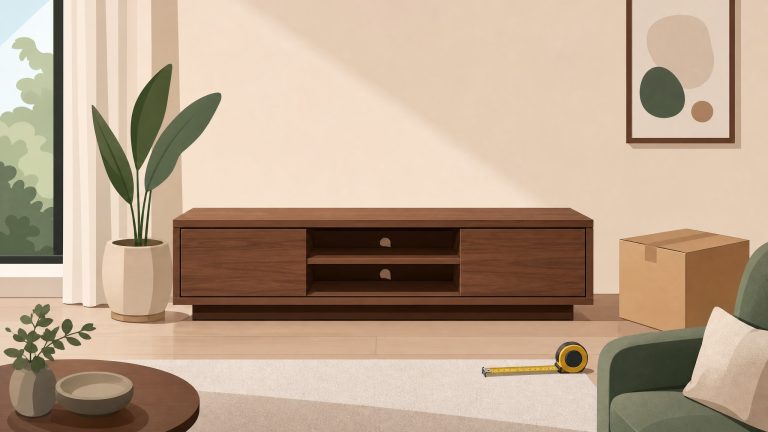
Masking tape is your most reliable tool for picturing volume before you spend a cent. Outline the exact footprint of any couch you’re considering directly on your floor, and see how much room is left for movement and other furniture. This physical outline reveals spatial relationships that a tape measure and mental arithmetic consistently miss.
Stand inside the taped shape and walk through your daily routine to see if the placement actually works. Check whether you can open nearby windows, reach plug points, or carry a tray past the seating area without a detour. This kind of tactile check saves you from the disappointment of a piece that fits mathematically but fails the moment you live with it.
Choosing the Right Couch Size for a Small Room
Physical dimensions only tell part of the story when you’re weighing furniture for a tight space. Visual scale matters as much as centimetre measurements, because it’s perception, not square footage, that decides how spacious a room feels.
Understanding Scale Versus Dimensions
A low-profile sofa with 15cm exposed legs typically lets sightlines run across the floor uninterrupted, which can make a 3m x 4m lounge feel noticeably more open than the same room furnished with a skirted base. That’s why two couches with identical widths can produce completely different atmospheres in the same room. Bulky arms and heavy skirts eat into visual space even when they don’t take up an extra centimetre of floor.
Prioritise designs that let you see the floor beneath them wherever possible. Exposed legs create a strip of breathing room that grounds the piece without weighing it down, so your eye travels across the whole room instead of stopping at the sofa’s edge. That visual transparency tricks the brain into reading more volume than is actually there, which matters a great deal when your dimensions are already tight.
Seat Depth and Back Height Considerations
Shallower seat depths free up floor area without necessarily costing you comfort. Standard sofas often run deeper than 90cm, but compact models built for smaller rooms frequently bring that down to 80cm or less while keeping the cushioning supportive. That difference can reclaim enough space for a side table or a wider walkway, without the seat itself feeling stingy.
Back height works the same way on perceived bulk. Lower backs keep your sightline to windows and architectural features open, so the furniture doesn’t slice the room in half visually. Just make sure the back still supports the way you actually sit, comfort shouldn’t be traded away purely for the sake of how a room photographs.
Space Saving Sofa Shapes and Configurations
The shape you choose decides how efficiently your lounge handles both seating and circulation. Different configurations solve different spatial problems, so matching the form to your specific layout is what actually makes a couch work.
When Corner Couches Maximize Seating
L-shaped configurations are good at tucking into dead corners, which frees up the centre of the room for other things. The bulk sits against the walls, where it interferes least with how you move, while still giving you generous seating. Corner couches designed for SA homes are built with local apartment proportions in mind, and Furnicare’s curated range specifically balances generous seating with footprints suited to South African apartment and townhouse dimensions rather than oversized imported standards.
Not every small lounge suits an L-shape, popular as they are. Rooms with multiple doors or irregular angles can end up with awkward dead zones instead of solving the problem. Tape out the full L-shape footprint before you commit, the chaise section usually extends further into the room than people expect.
Compact Two-Seaters and Apartment Sofas
Streamlined two-seaters give you placement options a corner unit simply can’t, in rooms where an L-shape would overwhelm the available volume. They work well floating against a wall, tucked under a window, or turned perpendicular to an entryway to define a zone without blocking the light. Their smaller footprint leaves room for something like an accent chair that can be pulled in for extra seating when you’re entertaining.
Apartment sofas are their own category, built specifically for restricted spaces. They typically use narrower arms and less overall depth than a standard three-seater, so you still get proper adult-sized comfort inside a smaller envelope. That’s what makes them the right call for renters, or anyone who refuses to trade away decent seating proportions just because the square meterage is limited.
Visual Tricks to Make Compact Couches Feel Airy
Design details change how heavy or light a piece feels within a small space. The right choices in structure and upholstery turn a necessary, functional item into something that actively makes the room feel more open.
Leg Styles and Raised Bases
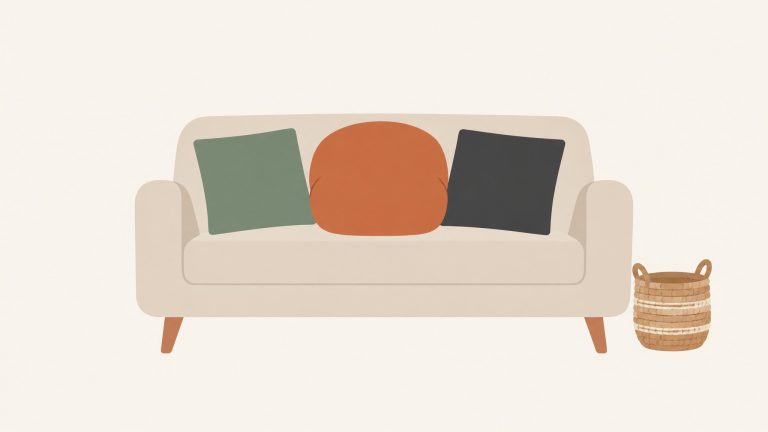
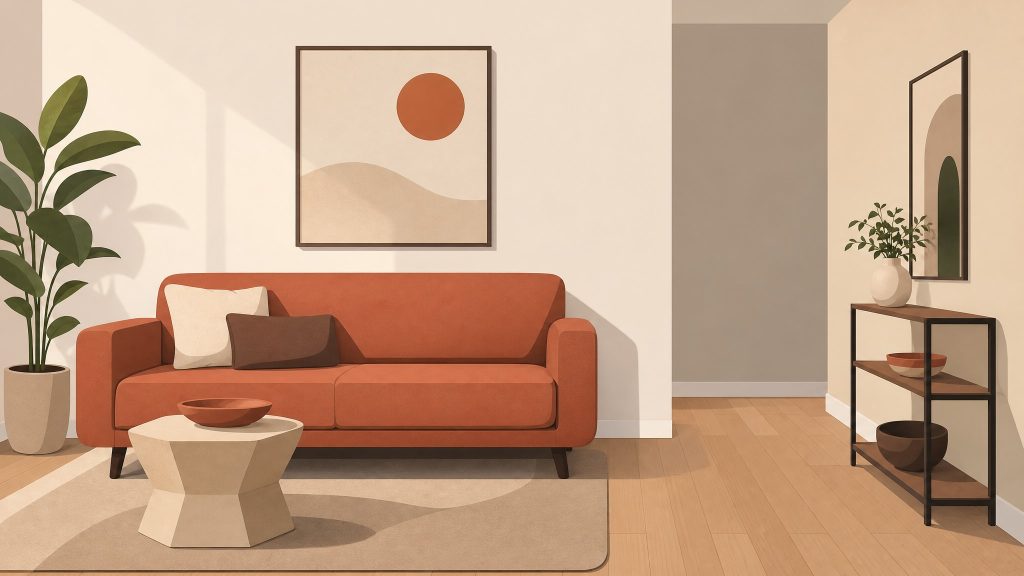
Visible floor space beneath a sofa creates an immediate sense of airiness that a solid base can’t match. Tapered wooden legs or slim metal frames lift the seat and minimise contact with the ground, letting light flow underneath and cutting down on the shadows that make furniture read as one heavy block.
Avoid chunky bun feet or thick plinths that anchor a piece heavily to the floor. Even a few centimetres of clearance makes a real difference to how expansive the room around it feels. You want furniture that seems to hover rather than squat, keeping the floor reading as one continuous surface.
Colour and Fabric Choices for Small Spaces
Choosing upholstery that tonally matches your walls cuts down on visual fragmentation, so a small room reads as one cohesive whole instead of a collection of competing objects. Soft neutrals, warm greys, and muted earth tones recede into the background, leaving the architecture as the focus. That doesn’t mean giving up personality. It just means expressing it through texture rather than high-contrast colour blocking.
Textured weaves add interest without the visual weight of bold patterns or dark hues. Boucle, linen blends, and subtle tonal variation catch the light differently through the day, giving the room life without demanding attention. Save darker or saturated colours for smaller accent pieces you can swap out seasonally, and let your main investment piece stay versatile enough to grow with you.
Multifunctional Options for South African Homes
Modern living asks furniture to earn its footprint through versatility. A small lounge often has to serve several functions at once, and dual-purpose pieces are how you manage that without the room feeling cluttered.
Sleeper Functions for Guest Accommodation
Sleeper mechanisms turn everyday seating into overnight accommodation, without needing a dedicated guest room. Today’s designs have moved well past the uncomfortable pull-out bar, with mattress systems that offer genuine comfort for visitors. In apartments and townhouses, where a spare bedroom is a luxury rather than a given, that functionality earns its keep.
Test the conversion mechanism thoroughly before you buy, to make sure it actually works in your specific space. Some sleeper couches need a lot of clearance to open out, which defeats the purpose if you have to rearrange the room every time guests arrive. The best ones fold the sleeping function in seamlessly, so the piece still looks right whether it’s set up for daytime lounging or a night’s sleep.
Modular Designs for Future Flexibility
Modular systems let you reshuffle your seating as your needs change. You can add, remove, or rearrange individual sections to suit a growing family, a new layout, or a lifestyle that’s shifted since you first bought the piece. That flexibility protects your investment, because the furniture adapts with you instead of becoming outdated the moment your circumstances change.
These systems particularly suit renters facing an uncertain next floor plan. What works in your current apartment may need reconfiguring for the next one, and modularity means you’re not replacing an entire suite to make that happen. Start with a core configuration that covers what you need now, and add modules later without breaking the style.
Styling Your Small Lounge Around the Sofa
Your couch sits inside an ecosystem of other elements that together decide whether the room works. Proportionate styling means the sofa adds to the room rather than dominating it.
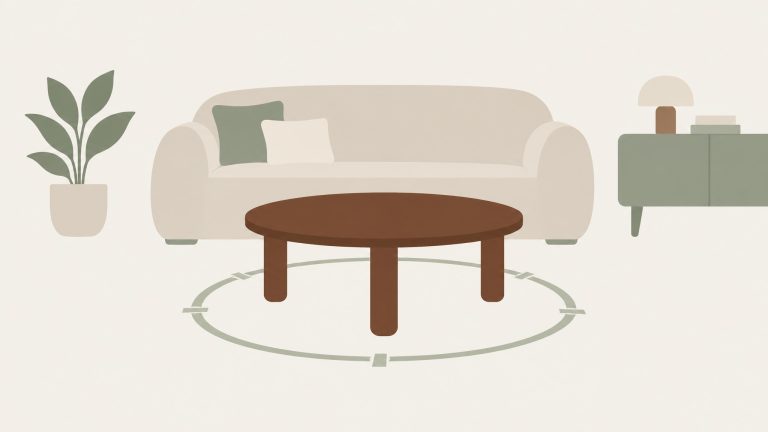
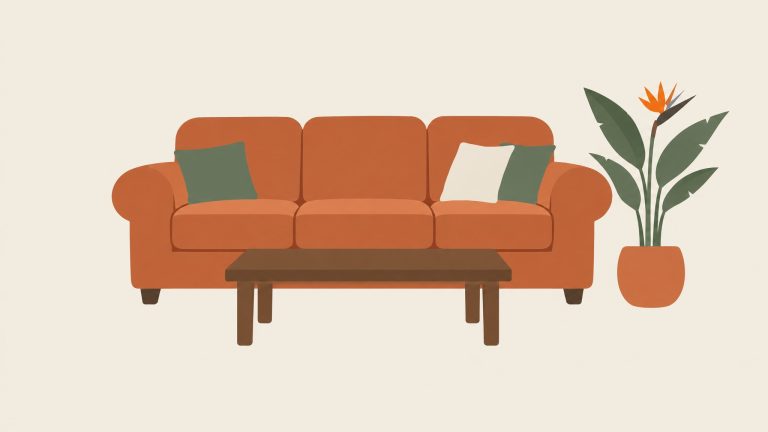
Pair your chosen piece with appropriately scaled coffee tables that respect the circulation space you have left. An oversized table becomes an obstacle in tight quarters, while an undersized one looks lost and doesn’t really do its job. Nesting tables or oval shapes often work better than a large rectangular option, since they flex around movement and their softer edges are easier to navigate around.
The empty space around the sofa deserves as much thought as the furniture itself. Resist the urge to fill every gap with decorative objects or extra seating, that breathing room is what stops the space from feeling over-curated. Styling scatter cushions for your sofa shape adds personality without eating into floor space, so you get warmth without losing the openness you worked to create.
Common Mistakes When Buying Compact Couches
Chasing maximum seating capacity often produces a room where movement becomes an afterthought. Prioritising headcount over circulation gives you a space that photographs well but frustrates you daily. A lounge nobody can comfortably move through fails at its main job, no matter how many people it theoretically seats.
Fabric durability gets overlooked in favour of looks, yet small-space couches take disproportionate wear because they’re doing several jobs at once. A pale, delicate fabric might photograph beautifully but will show soil marks fast when the same surface handles dining, working, and relaxing. Choose performance textiles rated for high traffic, especially with kids or pets around, because the cost of replacing a couch early outweighs whatever you saved buying the cheaper fabric.
Working within spatial limits doesn’t mean settling. It means making choices that respect both your home’s constraints and your eye for what looks good. Prioritizing essential furniture pieces that actually fit your life is what makes a room feel designed on purpose, rather than just filled in.