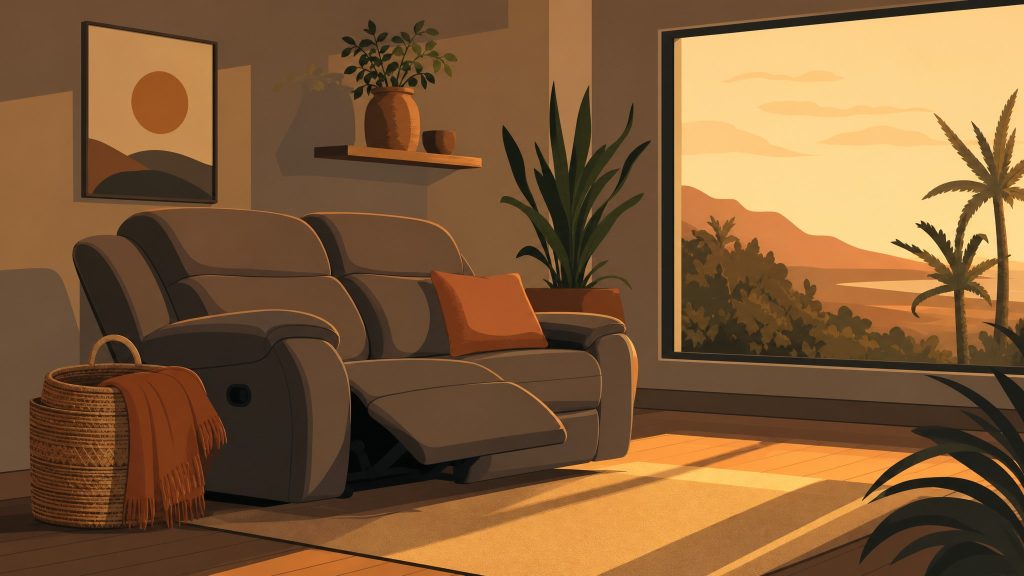
Finding the right seating is about more than filling a space. It’s about creating a spot where you can genuinely unwind after a long day. When you browse recliner sofas for sale in South Africa, you’re really after that intersection of proper support and a look you love, the thing that turns a house into a home. The market offers endless options, but telling a durable investment apart from a temporary fix means understanding how these pieces hold up against our local lifestyle, from intense summer sun to the realities of load shedding.
This guide moves past generic spec sheets and into the practical, everyday considerations of bringing a recliner into your home. We’ve focused on comfort and honest advice, so the choice feels right for years to come.
Why Recliner Sofas Are Essential for South African Living Rooms
Your living room is the emotional anchor of your home, and the seating you choose decides how that space feels during your precious evening hours of rest. A quality recliner turns passive sitting into real restoration, giving tired bodies the kind of targeted support a standard static sofa simply can’t. That matters in busy family spaces, where a piece needs to be tough enough for daily use and still feel like an inviting retreat.
South African homes need furniture that works harder without looking clinical. You deserve a seat built for proper relaxation that still fits the curated look of your lounge, blending into a space made for both entertaining and quiet decompression. The best recliners manage this with high-density foam cores and sturdy mechanisms built to hold their shape in humid coastal climates and dry inland heat alike, even with frequent reclining.
Manual vs Electric Recliner: Choosing Your Mechanism
The choice between manual and electric operation shapes your daily experience with the furniture, and how it copes when the power cuts out. Both mechanisms offer excellent support, so the decision really comes down to your household’s appetite for upkeep and how much you worry about electricity reliability.
Understanding Manual Lever Systems
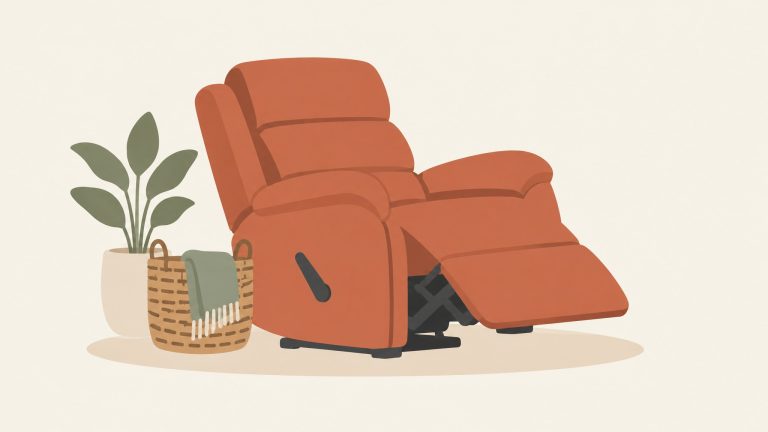
Manual recliners have a tactile simplicity that appeals to anyone who’d rather trust mechanics than electronics. A side lever or pull tab engages a ratchet mechanism, adjusting the backrest and footrest together with no power source needed. That independence suits households dealing with frequent load shedding well, since you’re never stuck in an awkward position when the grid fails.
Affordability tends to go hand in hand with this simplicity, which makes manual options a good entry point for first-time buyers. The trade-off is physical effort. Engaging the lever repeatedly might not suit everyone, particularly if mobility or strength is limited.
The Convenience of Electric Recliner Sofa Motors
Electric models give you precise positioning at the touch of a button, letting you stop the recline at any angle instead of locking into preset notches. That kind of adjustability helps if you need specific postural support, whether for reading, recovering from an injury, or just finding the perfect napping angle without any physical effort. Modern motors tend to run quiet and smooth, which adds a layer of everyday luxury to the furniture.
Power dependency is the main thing to weigh up for South African buyers considering motorized furniture. Electric recliners with battery backup options offer peace of mind during load shedding, so you’re not left stuck in a reclined position when the power goes out.
Finding a Reclining Sofa for Small Lounge Spaces
Space constraints define a lot of modern South African apartments and cottages, but that doesn’t mean giving up on comfort for the sake of floor area. You can fit a reclining sofa into a compact room once you understand clearance requirements and look for designs built specifically for tighter footprints. For broader context on sizing, our guide to choosing a couch for a small lounge has more spatial planning strategies.
Measuring Clearance for Full Recline
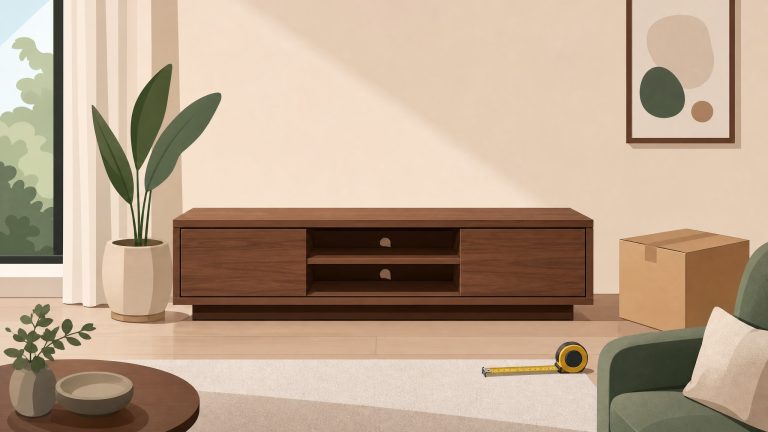
Accurate measurement saves you the disappointment of a sofa that can’t fully extend in your intended spot. Measure the width and depth of the sofa itself, then the space needed behind and in front of it once the mechanism is fully deployed. Many buyers forget to account for the swing arc of the footrest, which can collide with coffee tables or walls if the clearance math only considers the seated dimensions.
For compact Gauteng apartments, wall-hugger designs need significantly less clearance than traditional rocker recliners, letting the sofa extend fully even when placed close to a wall. These mechanisms slide the seat forward as the back reclines, so the gap from the wall stays consistent, which matters in rooms where every centimetre counts.
Compact Designs That Don’t Sacrifice Comfort
Smaller dimensions shouldn’t mean compromised support. Manufacturers now build compact recliners with scaled-down mechanisms that keep full ergonomic movement while cutting down on visual bulk. Slimmer arms and tighter backs create a feeling of airiness, without stripping out the internal structure that lasting comfort depends on.
Visual weight matters as much as physical dimensions in a small room, so choosing upholstery that blends with your walls can stop the sofa from dominating the space. A well-proportioned recliner anchors the room without overwhelming it, proof that functional furniture can still respect the scale of a more intimate living area.
Upholstery Choices for South African Climates and Lifestyles
Material choice decides how your recliner ages under South African conditions, from intense UV exposure to busy family life. Whatever fabric or leather you pick needs to perform practically and still feel inviting against skin through hot summers and cooler winter evenings.
Leather vs Fabric for Local Conditions
Leather breathes better than synthetic alternatives, adapting to body temperature instead of turning sticky the way vinyl can on a humid January afternoon. It develops a patina over time that a lot of owners love, though it needs protection from direct sunlight to avoid fading and drying out in north-facing rooms. Genuine leather also resists dust mites and allergens better than woven textiles, which helps households with allergy sufferers.
Fabric upholstery gives you more variety in texture and colour, so there’s more room for personal expression within your decor. Performance fabrics treated for stain resistance handle spills and pet hair better than traditional weaves, a practical choice for families with young kids or pets who use the lounge hard.
Durability Against Sun and Daily Wear
UV radiation breaks down fibres and fades pigment relentlessly, which makes window treatments and fabric quality genuinely important if your recliner sits anywhere near direct afternoon sun. Materials rated for high rub counts and UV resistance are worth prioritising in that spot. Rotating cushions regularly and using throws during peak sunlight hours stretches the life of any upholstery, whatever its starting quality.
Daily wear shows up fast on recliners, thanks to the friction from repeated movement of the mechanism. Reinforced stitching at stress points and high-density cushioning stop premature sagging in the seat zone, so the sofa keeps its supportive shape through years of use instead of collapsing into a hollow shell.
What to Expect When You Buy Recliner Online South Africa
Buying large mechanical furniture remotely means trusting the logistics and understanding what support looks like after delivery. You want confidence that what arrives matches what you picked, and that help is there if something goes wrong. Our recliner sofas buying guide goes deeper into evaluating quality before you commit.
Navigating Delivery to Gauteng and Beyond
Recliners are heavy, complicated items that need specialised handling to protect their internal mechanisms in transit. Standard courier services often don’t have the equipment or know-how to move mechanical furniture safely, and that’s how frames get misaligned or upholstery gets torn before it even reaches your door. Furnicare’s nationwide delivery network includes specialised handling for heavy mechanical furniture, built specifically to protect reclining mechanisms, so your piece arrives in proper working order.
Delivery timelines depend on stock availability and your location relative to the distribution centres, so it’s worth confirming lead times before you order. Assembly requirements differ between models too. Some arrive fully assembled, others need on-site setup, and knowing which one you’re getting helps you plan your space and your day.
Verifying Warranties and Return Policies
Warranty cover for recliners should address mechanical components separately from upholstery, since motors and levers fail in different ways than fabric does. Check whether the warranty covers electrical components damaged by power surges. That exclusion voids protection for a lot of electric models in areas with unstable power. It’s worth reading the fine print to see whether labour costs for repairs are included, or whether you’re on the hook for a technician’s call-out fee.
Return policies for large furniture often carry restocking fees or return shipping costs that buyers don’t spot until later. Understanding these terms upfront protects you financially if the sofa doesn’t suit your space or your comfort once it’s actually in the room.
Styling Your Recliner Couch South Africa for a Cohesive Look
Fitting a recliner into a curated living space takes a bit of intentional styling to soften its naturally functional shape. You want it to read as a deliberate design choice, not something clinical dropped into your decor. A lot of homeowners worry about bulk, but thoughtful accessorising turns a recliner from a standalone utility piece into something that actually belongs in the room.
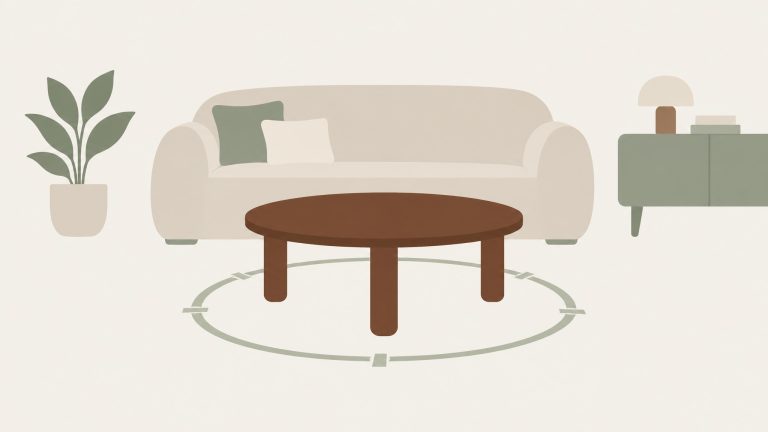
Textured throws and scatter cushions break up the solid planes of a recliner’s upholstery, adding visual interest and a bit of tactile variety that takes the eye off the mechanical bulk. A well-placed side table or floor lamp creates a little vignette, turning the sofa into part of a relaxation corner rather than an isolated object on its own. If you prefer shopping online instead of visiting stores, it helps to visualise these pairings with room planner tools or a mood board before you buy, just to check the proportions work.
Colour coordination ties the recliner into the rest of your palette, whether you match tones or go for contrast. Upholstery that echoes your rug, curtains, or an accent wall creates continuity, and that’s what makes even a substantial piece of furniture feel lighter and more intentional in the room.
Caring for Your Recliner to Ensure Lasting Comfort
A little proactive maintenance protects both the mechanical function and the look of your recliner, and stretches its life well past what the manufacturer estimates. The actual routines take minutes, but they head off costly repairs and early replacement.
Vacuum the crevices weekly to clear out the grit that wears down fabric and jams moving parts over time. Lubricate the mechanical joints once a year with a silicone spray to stop squeaking and ease the friction that strains motors and levers. For the timber pieces alongside it, proper cleaning products for wooden furniture avoid finish damage that could otherwise transfer onto the upholstery.
Deal with spills straightaway. Left alone, they cause permanent staining and let moisture into the padding, which can promote mould in humid conditions. A professional clean every twelve to eighteen months lifts the deep-seated dirt that home methods can’t reach, keeping both hygiene and appearance at a standard daily upkeep alone won’t manage.
Frequently Asked Questions
Who sells the best recliner sofas in South Africa?
The best retailer depends on your specific needs for curation, delivery reliability, and after-sales support rather than just price. Furnicare focuses on comfort-driven design with specialized handling for mechanical furniture during transit to prevent damage. We prioritize high-density foam cores and climate-resilient materials suited to South African conditions over mass-market volume.
How much does a recliner sofa typically cost?
Prices vary significantly based on mechanism type, upholstery material, and size, with manual models generally costing less than electric versions. Budget for additional features like battery backups or performance fabrics that add value in South African homes. Check individual product pages for current pricing as costs fluctuate with material availability and exchange rates.
Where can I find a couch for sale in South Africa with reliable delivery?
Online retailers specializing in furniture offer curated ranges with dedicated logistics networks designed for heavy items. Furnicare provides nationwide delivery with specialized handling to protect mechanical components during transit to Gauteng and beyond. Verify that your chosen retailer has explicit protocols for moving recliners rather than relying on general couriers.
Which brand is best for recliner sofas in South African homes?
Look for brands that engineer specifically for local climate challenges like UV exposure and humidity rather than importing generic global designs. Quality indicators include high-density foam cores, reinforced stress points, and warranties covering electrical surge damage. Furnicare curates ranges tested for South African durability and comfort standards rather than stocking every available option.