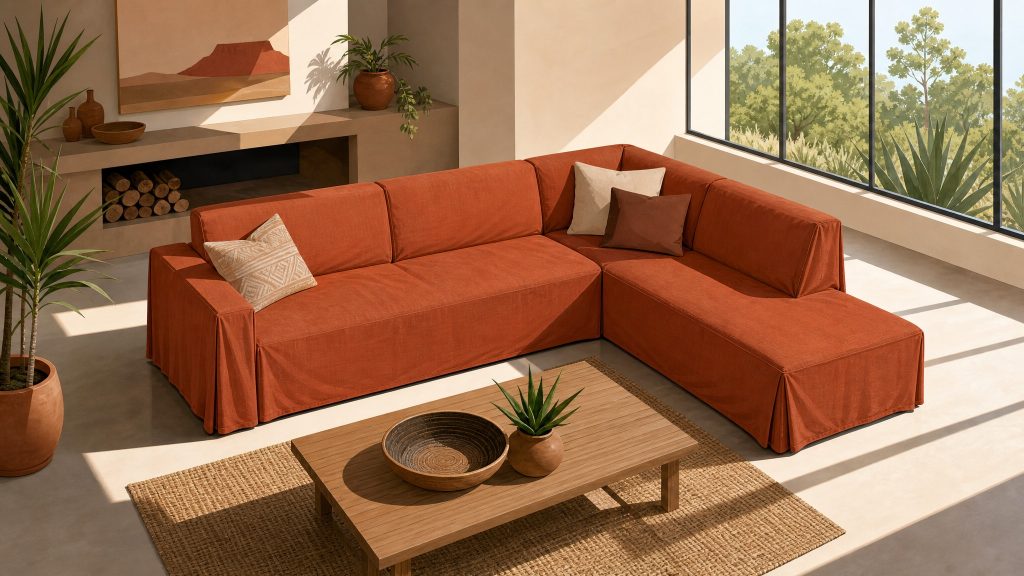
Your corner couch is probably the anchor of your living room, the spot everyone gathers around after a long day or settles into for a weekend movie marathon. Keeping it looking good in South African conditions takes more than the odd vacuum, especially when strong sunlight and busy households test the fabric daily. Corner couch covers are a practical way to protect that investment and refresh your space, without the cost of reupholstery or buying new.
Finding the right cover means understanding your sofa’s actual dimensions and what our climate does to fabric over time. A well-chosen protector does more than hide wear. It extends the life of your furniture and lets you shift your décor with the seasons, without worry. This guide walks you through choosing, fitting, and styling a cover that feels like a real design choice, not a temporary fix.
Why Corner Couch Covers Matter for South African Homes
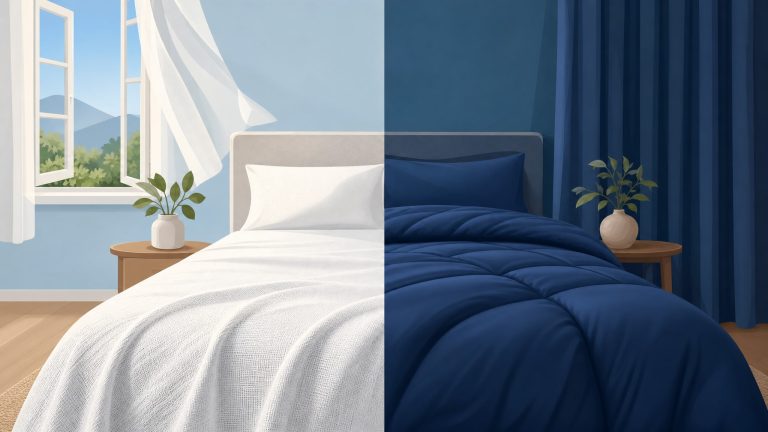
North-facing living rooms in South Africa often get heavy UV exposure, which is why fade-resistant fabric matters so much for protecting dark upholstery. The sun here is unforgiving on textiles, and it can bleach rich navies and charcoals within months if they’re left exposed during peak afternoon hours. You should be able to enjoy the natural light pouring through your windows without watching your L-shape couch slowly lose its colour to the glare.
Shielding Against High UV Exposure and Fading
Direct sunlight breaks down dye molecules and weakens fibres over time. The damage doesn’t reverse, no matter how well you clean afterwards. Protecting furniture from sun damage usually means managing blinds and curtains, but a dedicated cover works differently: it takes the sun damage itself, acting as a sacrificial layer so your actual upholstery never has to. Many modern stretch fabrics carry UV inhibitors built for exactly this kind of high-exposure room, which means you get real peace of mind even in a bright, open-plan space.
Managing Dust, Pets, and Daily Wear
Open-plan living means your lounge shares air with the kitchen, the hallway, and whatever comes in from outdoor entertaining. That’s a lot more dust and grit settling on your soft furnishings than a closed-off room would see. A cover for your corner couch creates a barrier against all of it, plus the spills kids bring and the scratches pets leave behind. Instead of stressing over every muddy paw print or spilled juice, you get to relax, knowing the fabric underneath stays clean beneath a washable shield.
Finding the Right Fit for Your L-Shape Configuration
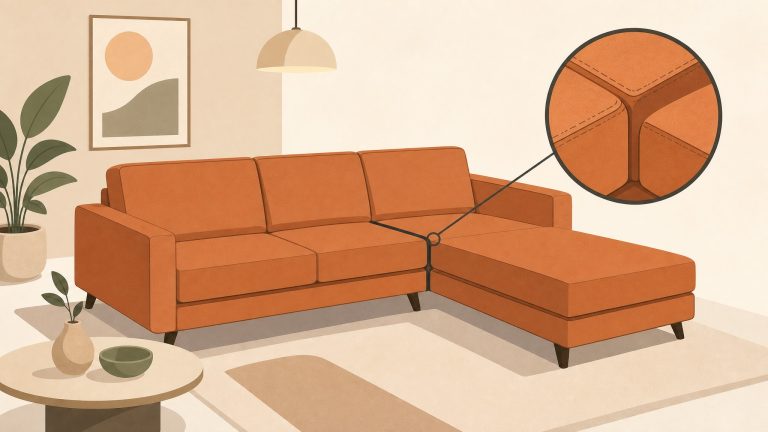
L-shape couches typically need two separate measurements: one for the main sofa length, and one for the chaise projection. Skip either and you risk ordering a universal cover that simply doesn’t fit. Assuming a standard three-seater size will work on your sectional is the single most common reason buyers end up with bunched fabric or exposed corners that ruin the look. Five minutes with a tape measure now saves you the hassle of a return later, and means your new cover will actually stay put.
Measuring Chaise Length and Seat Depth Accurately
Start by measuring the total length from the far armrest to the end of the chaise. Then measure the chaise projection separately, from the backrest to the front edge. Check seat depth at a few different points too, because plenty of modern designs have deeper chaise sections than standard covers are built for, and a too-shallow cover will pull taut or tear. If you’re not sure how your model measures up, a corner couch buyer’s guide can help you work out whether your unit follows standard sizing or needs something more specific.
Universal Stretch Covers vs. Custom-Tailored Options
Stretch couch covers are the more affordable way in, and their elasticity absorbs small variations in shape, though they do need regular smoothing to stay neat. Custom-tailored covers cost more upfront but give you a fitted, upholstery-like finish that stays put without constant tucking. Neither is right for everyone: stretch covers can slip on very deep seats, while a tailored cover leaves no room for error if your measurements are even slightly off.
Choosing the Best Fabric for Couch Covers by Lifestyle
The best fabric for your couch cover depends on how your household actually uses the space, not just what looks good in a product photo. Tightly woven polyester-spandex blends generally resist pet scratches far better than loose-weave natural fibres, which snag easily under claws or a sharp ring. Getting that balance right, between durability and comfort, means the cover makes your daily life easier instead of becoming one more thing to manage.
Pet-Friendly and Scratch-Resistant Materials
Pets need a smooth surface that doesn’t catch their claws, so skip the textured bouclés and open knits if cats or dogs share the sofa regularly. Synthetic microfibres and dense jersey knits let paws slide off rather than hook into the weave, which is what prevents the pulls and tears that wreck a cover over time. These fabrics also tend to shed hair more easily, so a quick pass with a lint roller before guests arrive is usually all the cleanup you need.
Breathable Natural Fibres for Summer Comfort
Cotton and linen blends do well in a hot Gauteng summer, letting air move against your skin instead of trapping heat the way some synthetics do. They wrinkle more easily and don’t stretch the way elastane-heavy fabrics do, but they bring a tactile warmth and natural drape that lifts the whole room. They’re worth considering for a formal lounge or guest area, somewhere sensory comfort and visual polish matter more than heavy-duty durability.
Washable Sofa Covers: Practical Maintenance
Furnicare’s range includes washable covers sized for standard South African washing machine drums, so you can skip professional cleaning altogether for most everyday spills. Check the care label before you buy, though, because some king-size L-shape covers are too big for a domestic machine and need commercial laundering instead. Quick-drying synthetics tend to suit households that wash often, since thick natural fibres can take days to dry fully in humid weather and risk mildew if they stay damp too long.
Styling Your Corner Couch Protector Without Sacrificing Aesthetics
A corner couch protector should feel like part of your interior, not something draped over the furniture as an afterthought. Choosing colours and textures with intention turns a functional necessity into a design feature, one that refreshes your living room without the cost of a renovation. Treat the cover as a foundation layer rather than something to hide, and the whole look comes together.
Coordinating Colours with Existing Living Room Décor
Neutral tones like oatmeal, stone, or soft grey give you the flexibility to change accent colours and swap décor through the year. Bolder hues work beautifully when pulled straight from existing artwork or a rug pattern, tying the room together so the covered sofa looks like it was designed for the space. One thing to avoid: matching the cover exactly to your wall paint. It flattens the room’s depth and makes the sofa disappear instead of anchoring it.
Using Texture to Elevate a Covered Sofa
Layering different fabrics adds the dimension that keeps a cover from looking flat against everything around it. Learn to combine textures and patterns with velvet scatters, a chunky knit throw, or leather accents that play off the smooth stretch fabric underneath. For more on getting the proportions right on an angular silhouette, our guide to styling scatter cushions on an L-shape is worth a look.
Installation Tips for a Smooth, Secure Finish
How you install the cover decides whether it looks tailored or perpetually messy, no matter how well it was sized to begin with. Start by lining up all the seams with the couch’s structural lines before tucking any excess fabric. Get this right first and the fit stays correct as you work; skip it, and the cover twists as you go. Anti-slip rods or foam inserts pushed deep into the crevices anchor the fabric firmly, especially along the chaise, where most of the shifting happens.
Work from the centre outward as you smooth the fabric, so the tension spreads evenly instead of pulling at one point until it wears through. Tuck excess material vertically into the gaps between cushions and frame, not horizontally underneath, which just creates visible bulges from where you sit. Take extra care around the armrests and corners: fold the fabric neatly, the way you would wrap a gift, and the lines will read as close to professional upholstery as a cover gets.
Caring for Your Cover to Extend Its Lifespan
Gentle care keeps both the stretch and the colour of your cover intact through years of washing. Wash in cold water with a mild detergent, and skip the bleach and fabric softener, both of which break down stretch fibres over time. Air drying holds the shape best, though a low-heat tumble dry works for synthetics if you pull the cover out promptly, before heat damage sets in.
Treat stains the moment they happen, using home cleaning products suited to your fabric, before they have a chance to set permanently. If your cover is reversible, rotate it now and then so wear spreads evenly across the seat edges and armrests, rather than concentrating in one spot. Store seasonal covers clean and completely dry, in breathable cotton bags rather than plastic, which traps moisture and encourages yellowing or mould.
Common Mistakes When Buying Sofa Covers Online
Skip the fabric composition label and you risk disappointment: a cover marketed as “universal” often lacks the stretch percentage a deep-seated corner unit actually needs. Plenty of shoppers assume a one-size-fits-all claim covers their sofa too, only to find their particular L-shape configuration falls outside the stated range. Reading the detailed specs, and the customer reviews, tells you more about real-world fit than a generic size chart ever will.
Skipping the return policy before you buy is its own risk, especially from a retailer that doesn’t specialise in furniture protection. Some listings use stock photos that misrepresent colour or texture, so you can’t judge the quality until it’s on your couch. Look for retailers who understand South African furniture dimensions and answer sizing questions properly. That kind of support is usually what separates a reliable supplier from a generic marketplace selling covers that were never built for your sofa.