Most cleaning guides treat every surface in your home the same way. They hand you one all-purpose spray and call it a day. But a leather couch, a laminate floor, and a tiled bathroom don’t need the same treatment. Using the wrong product on the wrong surface can do quiet damage over time. This guide looks at cleaning products for home South Africa needs room by room, with a particular focus on the furniture-specific care that most lists skip entirely.
Why a Room-by-Room Approach Beats a Generic Cleaning Product List
Search for household cleaning products SA shoppers rely on and you’ll find dozens of near-identical lists. They rank multi-surface sprays, mention a disinfectant or two, and move on. What they rarely mention is furniture: the couches, headboards, and wooden cabinets that make up the bulk of what’s actually in your rooms.
A home isn’t just floors and countertops. It’s the fabric you sink into after work and the wood surfaces that hold your family’s daily life. Caring for it well means matching each product to the material it touches, not reaching for whatever’s under the sink.
What Makes Household Cleaning Products in SA Different Room to Room
South African homes deal with a wide mix of conditions. Highveld winters bring dry, dusty air. Coastal humidity in summer months encourages mould and mildew. Hard water in some regions leaves mineral marks on tile and glass. A cleaner built for a kitchen degreasing job won’t necessarily suit a leather couch. A floor cleaner strong enough for tile can strip the finish off solid wood.
This is the thinking behind Furnicare’s approach. Rather than selling one generic cleaner for everything, Furnicare developed its cleaning solutions range alongside its furniture and décor collections, so each product matches the materials it actually sells. That’s a different starting point from a supermarket shelf, and it shows in how the products perform on the furniture you actually own.
Living Room: Upholstery Cleaner SA Essentials
The living room usually takes the most daily wear in a home. Kids, pets, guests, and everyday life all pass through the couch and the rugs. That makes choosing the right upholstery cleaner SA households can rely on one of the more important decisions in home care.
Best Upholstery Cleaner Options for Fabric and Leather Couches
Fabric and leather need completely different care. Fabric upholstery cleaners lift dirt and oils out of woven fibres without soaking the cushion fill underneath. Soaked fill can lead to mildew if it stays damp too long. Leather needs a conditioning cleaner instead, one that removes surface grime while keeping the hide supple, so it doesn’t crack or dry out over time.
Spot-cleaning little marks as they happen, rather than waiting for a deep clean, keeps both fabric and leather looking fresh for longer. For a step-by-step walkthrough on tackling stains, spills, and general upkeep, Furnicare’s complete guide to cleaning a fabric couch covers the process in more depth.
How the fabric itself is made also affects how it should be cleaned. If you’re curious why some couches hold up to daily use better than others, how fabric rub count affects durability explains the link between fabric construction and long-term wear.
How Furnicare’s Cleaning Solutions Range Protects Your Furniture Investment
A fabric couch treated with a dedicated upholstery cleaner, rather than a generic all-purpose spray, tends to keep its colour and texture far longer. That matters most in high-traffic South African living rooms. Generic sprays can leave residue that attracts more dirt, or strip protective finishes that fabric manufacturers apply during production.
Furnicare builds its cleaning solutions to work with the furniture the brand sells, not against it. That means less guesswork about whether a product is safe for your specific couch, and more confidence that regular cleaning is actually extending its life rather than shortening it.
Bedroom and Linen Care: Home Cleaning Solutions South Africa Trusts
Bedrooms need a gentler touch. You spend hours each night in direct contact with the fabric and furniture in this room, so whatever you clean with matters for comfort as much as hygiene.
Among home cleaning solutions South Africa households search for, linen-safe fabric sprays and dust-mite treatments tend to top bedroom priorities. Regular vacuuming of mattresses, paired with a light fabric refresher, helps cut down on the dust and allergens that build up in bedding over weeks of use.
Caring for Mattresses, Headboards and Bedside Furniture
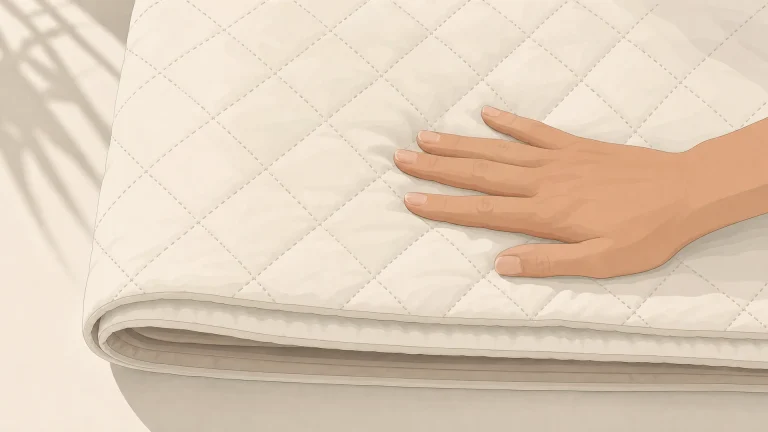
Mattresses benefit from an occasional deep clean using a fabric-safe solution designed not to trap dampness inside. A damp mattress core is slow to dry and can encourage mould. Upholstered headboards follow the same rules as couches: a dedicated fabric cleaner, not a harsh multi-purpose spray.
Wooden bedside tables and headboard frames need a wood-safe polish that cleans without stripping varnish or leaving a sticky film. If you’re planning to update more than just the cleaning routine, refreshing your bedroom’s look has ideas for pairing a clean space with a few style changes.
Kitchen and Bathroom: Everyday Household Cleaning Products SA Needs
Kitchens and bathrooms see the heaviest daily use of any room. They need products built for grease, moisture, and bacteria rather than furniture-friendly formulas.
Degreasers, Disinfectants and Surface Sprays Worth Keeping on Hand
A good degreaser earns its place on the counter for stovetops and extractor fans, where cooking oil builds up fast. Disinfectant sprays matter most on countertops, taps, and door handles, the surfaces hands touch constantly through the day.
Descalers deserve a spot too. Areas of South Africa with harder water see mineral buildup on kettles, taps, and shower glass faster than softer-water regions do. A descaling product used every few weeks keeps fittings looking clear instead of chalky. Multi-surface sprays fill the gap for everyday wipe-downs of tiles and countertops, but they’re a supplement to the specialist products above, not a replacement for them.
Floors Throughout the Home: Choosing the Right Floor Cleaner South Africa Wide
Floors connect every room, and they take a different kind of punishment in each one: grit near entryways, spills in the kitchen, moisture in the bathroom.
Matching Floor Cleaner South Africa Formulas to Tile, Wood and Laminate
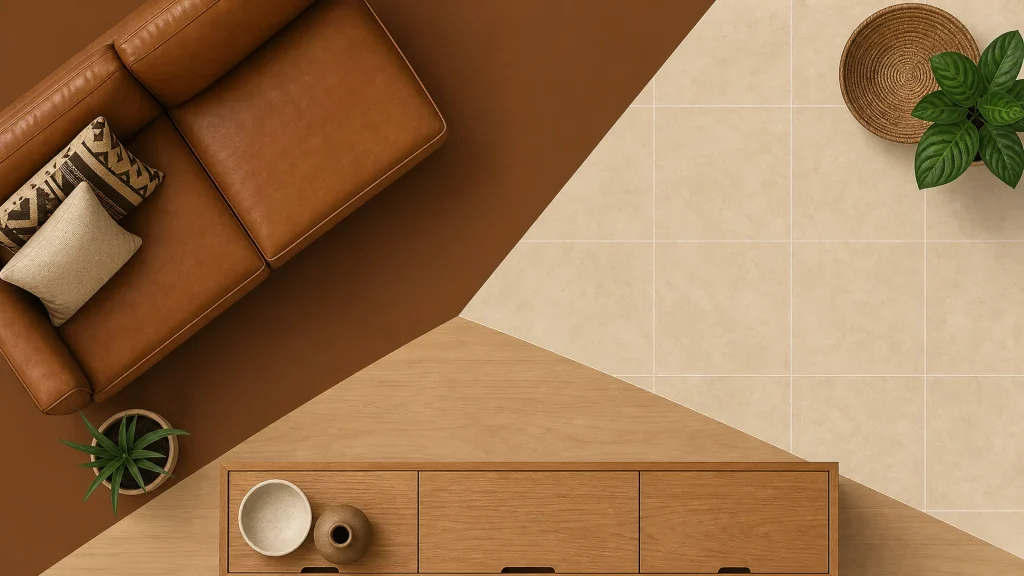
Tile floors can handle stronger, more alkaline cleaners because the surface is hard and sealed. Laminate needs something gentler and low-moisture, since water that seeps into the seams can cause swelling. Solid wood floors need a pH-balanced cleaner made specifically for wood finishes, or the protective coating can dull over time.
South African homes with hard or laminate flooring often need a different cleaning approach in summer humidity versus the drier Highveld winter. Floor cleaner choice should follow floor type and climate, not habit. A formula that works well in a dry Pretoria winter might leave streaks in a humid coastal summer.
Furniture-Safe Floor Cleaning Habits That Prevent Scratches and Water Marks
Floor care and furniture care are more connected than most people realise. Excess water left on a floor near a wooden table leg can wick upward and swell the wood over time. Grit tracked in from outside can scratch both flooring and the underside of furniture legs as pieces get shifted for cleaning.
Felt pads under furniture legs, drying floors fully after mopping, and vacuuming before a wet clean all help protect both the floor and everything standing on it. If a cleaning day is turning into a bigger refresh, spring cleaning and decluttering tips covers how to tackle a whole room at once without it becoming overwhelming.
Furniture-Specific Cleaning Products: The Gap Most Guides Miss
This is where most cleaning listicles fall short. They rank a dozen all-purpose sprays and disinfectants, then stop, never touching wood polish, fabric protectant, or leather conditioner. For a home built around furniture as much as surfaces, that’s a significant gap.
Why Furnicare’s Cleaning Solutions Range Was Built for South African Homes
Furniture-specific products exist because furniture has needs that generic cleaners aren’t designed to meet. Wood polish nourishes and protects a finish rather than just wiping dust off it. Fabric protectant creates a barrier against spills before they set into fibres. Leather conditioner keeps hides from drying, cracking, or fading in strong South African sunlight through a window.
Furnicare’s existing guide on cleaning fabric couches shows the same room-by-room, material-first thinking now extended across the whole home. As a general rule, upholstered furniture benefits from a light clean every few weeks and a deeper treatment every few months, depending on how much daily use it gets. Wood furniture usually needs polishing less often, but consistently, to keep its finish protected year-round.
If you’re building out a cleaning routine that actually matches what’s in your rooms, it makes sense to start with the furniture itself. Furnicare makes its cleaning solutions to pair with the couches, cabinets, and décor pieces the brand sells, so you’re not left guessing which product suits which surface. Browsing Furnicare’s range alongside its furniture and décor collections is a practical way to shop for both at once. For anyone furnishing a room from scratch, you can shop home décor online in South Africa to see how the pieces and the care products work together.
A well-kept home isn’t about stocking every product on a supermarket shelf. It’s about choosing the few that actually match your rooms, your furniture, and the climate you live in. Start with the room you use most, match the product to the material, and build the rest of your cleaning kit from there. For those wanting a simpler starting point, creating a calmer, more functional room pairs well with a lighter, more intentional cleaning routine too.