📦 Free Delivery on Linen & Decor: Orders over R1,999 (Gauteng) | Over R2,999 (Rest of SA) 🚛 Premium Furniture Delivery: Gauteng Flat Rate R1,500 | Nationwide Shipping Available
📦 Free Delivery on Linen & Decor: Orders over R1,999 (Gauteng) | Over R2,999 (Rest of SA) 🚛 Premium Furniture Delivery: Gauteng Flat Rate R1,500 | Nationwide Shipping Available
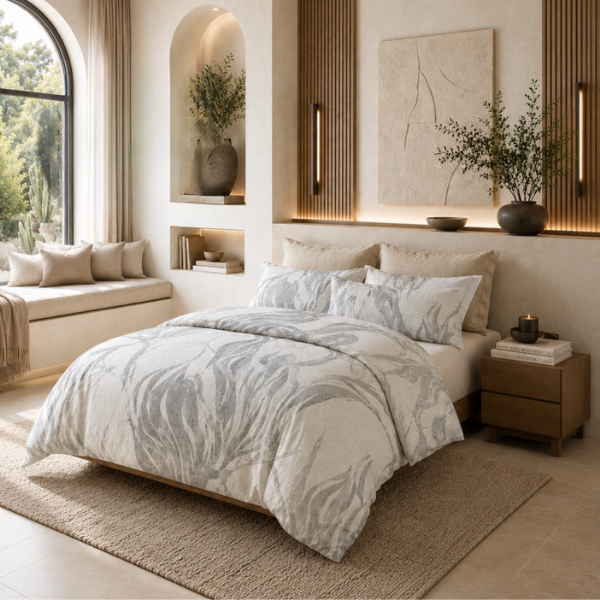
There’s a particular kind of disappointment that comes with unwrapping a new duvet cover, climbing into bed, and feeling… nothing special. It looks fine in photos. It feels like every other duvet cover you’ve owned. That’s usually because it isn’t linen at all, it’s a cotton blend or polyester mix dressed up in linen-style marketing. If you’ve been searching for linen duvet covers in South Africa and keep landing on bedding that’s technically “linen-look” rather than the real thing, this guide is for you. We’ll walk through what genuine linen actually is, why it suits our climate so well, and how to choose and care for it properly.
Linen isn’t a style or a colour palette. It’s a fibre, woven from the stalks of the flax plant. That distinction matters more than most shoppers realise, because plenty of bedding gets labelled “linen” simply because it has a relaxed, textured look. Genuine linen has a different origin, feel, and performance profile to cotton or synthetic bedding. Once you’ve slept under it, you notice the difference immediately.
Flax linen has been used in bedding for thousands of years, long before synthetic blends became common, thanks to the fibre’s natural strength and breathability. That long history isn’t incidental. Flax fibres are hollow and irregular. That’s exactly what gives linen its texture, its durability, and its ability to move air and moisture in a way manufactured fibres struggle to replicate.
Cotton duvet covers are soft from the first wash, smooth, and often quite uniform in texture. Linen starts life a little stiffer and more textured, with a visible slub in the weave, and it softens beautifully over time. Cotton fibres are solid; flax fibres are hollow, which is why linen breathes and dries faster than cotton in humid conditions.
Blends, usually linen mixed with cotton or viscose, sit somewhere in between. They can still feel pleasant, but they lose some of linen’s signature qualities, particularly its moisture-wicking behaviour and its distinctive matte, slightly crinkled finish. If a label simply says “linen-look” or “linen blend,” it isn’t 100% linen bedding, and it won’t perform quite the same way through a South African summer.
Genuine linen has a few tells. Run your hand across it and you should feel a slightly nubby, uneven texture rather than a perfectly smooth finish. Hold it up to the light and you’ll often see small irregularities in the weave, evidence of the natural fibre rather than a uniform machine-spun thread. It also has a matte, almost chalky look rather than a sheen, and it creases easily. That crinkle isn’t a flaw. It’s one of the clearest signs you’re looking at the real thing.
Always check the product description for fibre content. “100% linen” or “100% flax linen” should be stated explicitly, not implied through styling photos or vague phrases like “linen-inspired.”
South Africa’s climate doesn’t sit still. A Gauteng summer can swing from scorching Highveld afternoons to cool, thundery nights, while KwaZulu-Natal’s coastal humidity is a different challenge altogether. Bedding that only works in one season, or only in one type of weather, ends up getting swapped out twice a year, or worse, tolerated year-round because replacing it feels like a hassle.
Linen handles this variability better than most fabrics because of how the fibre itself behaves. It absorbs moisture readily and releases it quickly, so it doesn’t trap the clammy heat that synthetic and heavily blended fabrics tend to hold against the skin overnight.
On a hot night, breathability is everything. Linen’s open, slightly irregular weave lets air circulate rather than sitting flat and airless against the body. A homeowner in Gauteng switching from a synthetic-blend duvet cover to a 100% linen one often notices the difference on the very first humid night, when the fabric pulls moisture away instead of trapping heat. That’s the essence of a good summer duvet in South Africa: light enough to not feel stifling, but substantial enough to still feel like proper bedding rather than a sheet.
Linen isn’t just a summer fabric, though. Because it regulates temperature rather than simply insulating or cooling, it also works well through cooler months when paired with a heavier duvet inner. It won’t trap heat the way a thick flannel cover might, but it holds warmth close enough to keep a Highveld winter night comfortable without the bulk. One duvet cover, reasonably capable across most of the year, rather than a full seasonal wardrobe of bedding.
Once you’re confident you’re looking at genuine linen, the next question is fit. Buying bed linen online means you can’t physically check the cover against your mattress before it arrives, so getting the sizing and set contents right matters.
Queen size is the most common bed size in South African homes, and a queen size duvet cover needs to comfortably fit a queen duvet inner without pulling tight at the corners or bunching in the middle. Always check the exact dimensions listed on the product page rather than assuming “queen” means the same thing across every retailer, because sizing can vary slightly between brands. A cover that’s too snug will strain at the seams and lose its drape; one that’s too generous will bunch inside the duvet and lose shape overnight.
Most duvet cover sets in South Africa bundle a duvet cover with one or two matching pillowcases, sized to suit standard or queen pillows. That’s a convenient starting point if you want a coordinated look without extra decisions.
That said, linen also lends itself beautifully to mixing tones and textures. A neutral linen cover with pillowcases in a slightly different shade still reads as considered rather than mismatched, because the natural texture ties everything together. Before buying online, check whether pillowcases are included, whether they’re sold separately, and whether the set specifies queen, standard, or king sizing.
Good linen isn’t high-maintenance, but it does reward a little attention. Treat it well and it will outlast most other bedding in your cupboard, softening with every wash instead of wearing thin.
Wash linen in a gentle cycle with cool to warm water, and avoid overloading the machine so the fabric can move freely. A mild detergent works best; harsh chemicals and heavy bleaching can weaken the fibres over time. When it comes to drying, line-drying is ideal where possible, or a low tumble-dry setting if you’re short on time. Take the cover out of the dryer while still slightly damp and let it finish air-drying. That helps prevent the fabric from feeling stiff. If you like the smooth, ironed look, a warm iron on damp linen works well, but honestly, the relaxed, lived-in crease is part of linen’s appeal, not something to fight against.
This is where linen quietly wins people over. Unlike fabrics that thin out and pill with repeated washing, linen fibres soften and become more supple over time, developing a slightly looser drape and a gentler hand-feel. The duvet cover you buy today will feel noticeably softer after a few months of regular use and washing, without losing structural strength. That slow, sensory transformation is part of why so many people who switch to linen never go back to cotton blends.
Buying bedding online works best when you know exactly what to check before adding it to your cart. A trustworthy bed linen online shop in South Africa should make fibre content, sizing, and delivery terms easy to find, not buried in fine print.
Look for clear delivery timeframes, transparent return or exchange policies, and product descriptions that state fibre content plainly rather than relying on marketing language alone. Genuine customer reviews, clear photography that shows texture and weave, and straightforward sizing charts are all signs of a retailer that stands behind what it sells. If a site is vague about whether a “linen” product is actually 100% linen or a blend, that’s worth a second look before you buy.
Furnicare curates its linen duvet cover range specifically with South African homeowners in mind, choosing weights and weaves suited to both muggy coastal summers and crisp Highveld winters. Furnicare’s nationwide delivery model means shoppers across Gauteng and beyond can order a queen size linen duvet cover set online with confidence in the fit and finish before it arrives.
If you’re ready to make the switch to real linen, browsing Furnicare’s range is a good place to start. And if you’re thinking about the bedroom more broadly, our complete guide to the best bed linen in South Africa is a useful next stop, along with some ideas for refreshing your whole bedroom look. For anyone furnishing beyond the bedroom, shopping for home décor online in South Africa covers the wider picture, and once your linen is in place, caring for fabric furniture at home will help keep the rest of your soft furnishings looking just as good.
A well-chosen linen duvet cover isn’t just another bedding purchase. It’s the kind of small, considered upgrade that makes a bed, and a bedroom, feel genuinely like home.