There is a particular sinking feeling when you notice a mark on fresh linen, especially when that bedding represents both a real investment and your sanctuary for rest. You want to act quickly, but the fear of making it worse often leads to hesitation, or to the opposite mistake: scrubbing so hard you damage the very fabric you are trying to save. Learning how to remove stains from linen sheets means unlearning some of the harsh habits we apply to synthetic blends and cotton.
Linen asks for a gentler approach, one that respects its natural origins while still giving you the pristine comfort you’re after. This guide moves past generic laundry advice to offer protocols suited to South African homes and water conditions. Caring for your linen should feel like an act of preservation, not a chore, and we want to help you keep your bedroom textiles beautiful for as long as they’re meant to last.
Understanding Linen Fibres Before You Treat Stains
Before you reach for a bottle of stain remover, it helps to understand why this fabric behaves so differently from the cotton or polyester blends filling most laundry baskets. Linen is a cellulose fibre from the flax plant, with a hollow structure that lets it absorb up to 20% of its weight in moisture before it even feels damp to the touch. That absorbency is exactly what makes linen so breathable against the skin in our climate. It also means liquid-borne pigments can travel deep into the weave almost instantly if you leave a spill unattended.
Why linen reacts differently to cleaning agents
Flax fibres are unusually vulnerable to high alkalinity and chlorine bleach, the two things many standard stain removers rely on for whitening power. Textile conservators consistently advise against chlorine bleach for cellulose fibres like linen: it breaks down the polymer chains, leading to weakening and yellowing that you cannot reverse. A harsh alkaline cleaner might lift the visible mark, but it degrades the cloth at the same time, leaving it prone to tearing and to a brittle texture that no softener will fix.
The same caution applies to optical brighteners in many commercial detergents. They coat the fibre to fake whiteness while quietly speeding up age-related discolouration. Clean the fibre itself. Don’t mask damage with additives that work against the material’s natural breathability and feel.
Identifying your stain type correctly
Misreading the source of a mark is the most common reason well-intentioned cleaning fails for good. Protein-based stains from blood, sweat or dairy need enzymatic breakdown and cool water, treat them with heat or acid instead, and you’ll cook the protein into the fibre and set the mark permanently. Tannin stains from coffee, tea, wine or fruit respond best to mild acids like vinegar or lemon juice, but those same acidic treatments can damage protein marks or react badly with certain dyes.
Take thirty seconds to work out whether you’re dealing with oil, protein, tannin or dye transfer. That single check decides whether your intervention saves the sheet or ruins it. When in doubt, start with the gentlest method and test on an inconspicuous corner first.
Immediate First Response for Fresh Spills
Speed matters when a spill happens, but frantic rubbing does more damage than the stain itself ever could. The gap between a temporary blemish and a permanent scar often comes down to those first few minutes, where patience beats brute force.
Blotting versus rubbing techniques
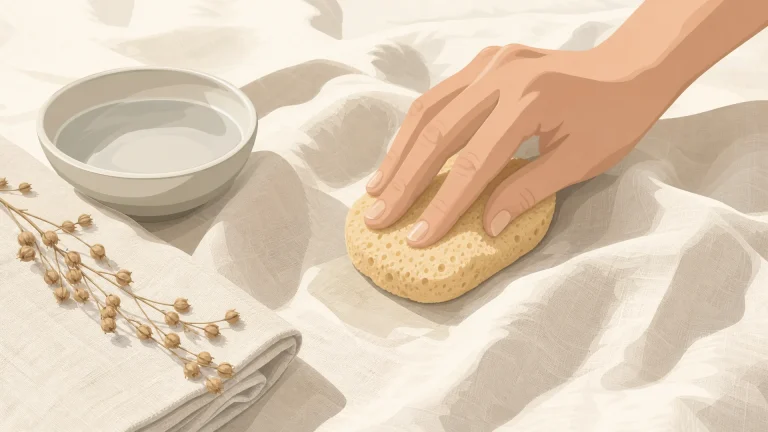
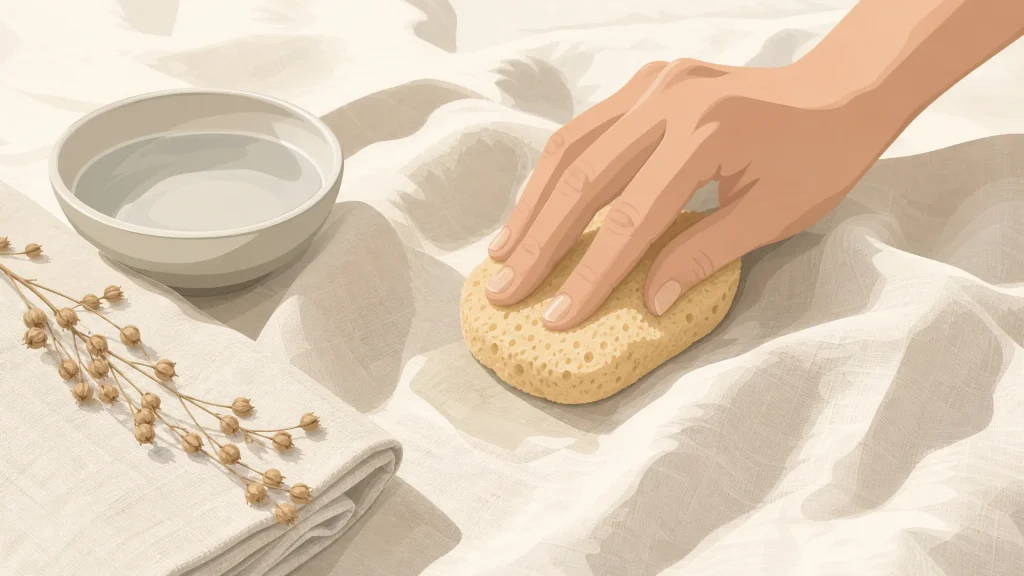
Always absorb excess liquid by pressing a clean white cloth or paper towel straight down onto the area, with no lateral movement. Rubbing pushes pigment deeper into the hollow linen fibres and distorts the weave, leaving a fuzzy, worn patch that stays visible even after the colour is gone. Think of blotting as lifting the stain vertically out of the fabric rather than spreading it sideways, and keep repeating with fresh sections of cloth until no more moisture transfers.
That vertical lifting keeps the linen’s smooth feel intact while removing as much of the staining agent as possible before it bonds chemically with the cellulose.
Safe water temperature guidelines
Cool or lukewarm water is generally safest for the first rinse in South African homes, where hot tap water can be too aggressive for delicate natural textiles. Heat sets protein stains instantly and can oxidise tannins into darker, more stubborn compounds, so resist the urge to flush a fresh mark with boiling water from the kettle. If you’re unsure what caused the stain, cool water is the safe universal starting point. It won’t worsen any category of spill while you work out what you’re dealing with.
In hard-water areas, mineral deposits can bind with detergent residue on linen, creating greyish casts that look like staining but actually need an acidic rinse rather than a stronger cleaner or hotter water. Spotting this distinction stops you attacking a mineral buildup with stain removers that only add more chemical load to already stressed fibres.
Targeted Treatment Methods for Common Household Stains
Once you’ve blotted away excess liquid and worked out the stain category, a targeted treatment with gentle, accessible ingredients beats any universal spray-on solution. These methods work with the fabric’s natural qualities while addressing the specific chemistry of each mark.
Removing coffee, tea, and wine marks
Tannin stains respond well to mild acidity, which breaks the bond between pigment and cellulose without damaging the fibre structure. Diluted white vinegar or fresh lemon juice, applied directly and left for fifteen minutes before rinsing with cool water, works reliably for most household beverages. For older tannin stains, soaking the whole section in cool water and vinegar for up to an hour can lift discolouration that spot treatment alone can’t reach.
Skip bar soap on tannin stains. Its alkalinity can permanently set the mark, turning a removable coffee spill into a fixed brown shadow.
Treating body oils and sweat discoloration
Body oils and sweat build gradual yellowing over multiple washes, so they need regular maintenance rather than emergency spot treatment. A pre-soak in cool water with a small amount of enzyme-based detergent breaks down the biological compounds before they oxidise and bond to the fibre. Baking soda in the wash cycle neutralises odours and lifts oils without the harshness of bleach, keeping the linen’s pH balanced while it restores freshness.
You may need to repeat this a few times for established yellowing. Gradual restoration is healthier for the fabric than one aggressive fix.
Addressing blood and protein-based accidents
Protein stains need immediate cold water, followed by enzyme treatment, with no heat applied until you’re sure the mark has lifted entirely. Hydrogen peroxide at three percent concentration is a safe alternative to bleach for white linen: it breaks down blood and other proteins through oxidation without weakening the cellulose. Apply it directly, let it bubble for a few minutes, then rinse thoroughly with cold water before deciding whether a second application is needed.
Never put protein-stained linen in a dryer or under an iron until the stain is fully gone. Heat will fix the mark permanently and make it impossible to remove later.
Washing Bed Linen Safely After Pre-Treatment
Pre-treatment deals with the visible mark, but the wash cycle decides whether the linen comes out truly clean or just redistributed with leftover chemicals. Good bed linen care focuses on thorough rinsing and gentle mechanical action, not aggressive cleaning power.
Selecting the right detergent for natural fibres
Choose a pH-neutral liquid detergent made for delicates or natural fibres, and skip powdered detergents that may not fully dissolve in cooler washes. Liquid formulas rinse out more completely, so you avoid the gritty residue that attracts dirt and dulls linen’s natural lustre over successive washes. Fabric softener coats linen fibres and reduces their moisture-wicking breathability, so leave it out entirely, properly washed linen softens naturally with use and age.
Our curated linen range is chosen for durability and comfort, and we recommend care methods that honour both the fabric’s natural qualities and your investment in restful sleep.
Machine settings that protect texture
Select a gentle or delicate cycle with enough water for the linen to move freely rather than being crushed against the drum. Overloading the machine causes friction that leads to pilling and early wear, so wash linen separately or with similarly lightweight items to protect the weave. An extra rinse cycle clears out detergent and treatment residue completely, which matters in Gauteng’s varying water conditions, where mineral content can react with leftover soap.
High spin speeds extract water efficiently but can set stubborn creases. Consider dropping the spin speed slightly if you plan to line dry and want less ironing.
Drying and Storage to Prevent Yellowing
How you dry and store linen matters as much as how you wash it, especially in a climate where UV exposure and humidity swing through the year. Skip this final stage and you undo the earlier care, speeding up the yellowing that makes white linen look tired.
Air drying versus tumble drying considerations
Line drying in shade preserves fibre strength and avoids the UV degradation that causes brittleness and discolouration. Remove sheets while they’re still slightly damp if you plan to iron them; bone-dry linen resists pressing and needs heavy steam that stresses the fabric. Tumble drying on low heat is fine when the weather won’t cooperate, but pull items out promptly to avoid setting wrinkles, and never use a high heat setting, since it shrinks and weakens cellulose fibres.
Air drying’s gentle tumbling action actually keeps linen’s characteristic softness better than mechanical heat does. Patience is rewarded with better texture.
Storing linens in South African climates
Keeping sheets white in South Africa means storing them somewhere breathable, away from direct sunlight and humidity, to prevent mildew or age-related yellowing between uses. Store linen in cotton bags or pillowcases rather than plastic containers, which trap moisture and encourage yellowing through oxidation. Avoid wooden shelves or drawers, since the natural acids in wood can transfer to fabric over long storage, and use acid-free tissue paper as a barrier if wood is your only option.
Rotate stored sets regularly. It keeps air circulating evenly and stops permanent fold lines forming in the same spots season after season.
When to Replace Rather Than Restore
Even with careful care, there comes a point where more restoration attempts yield less and less, and start costing you the sleeping experience you deserve. Some stains penetrate beyond recovery, and fibres eventually thin to where comfort and hygiene suffer no matter how clean the sheet looks.
Replacement is not failure. It’s recognising that your bedding serves a functional purpose beyond how it looks. When linen feels rough despite proper washing, holds odours after thorough cleaning, or shows thinning in high-friction areas, the fabric has reached the end of its service life. Investing in new bed linen is an act of self-care that restores the quality of your sleep environment.
We see renewal as part of sustainable home stewardship: quality pieces get cherished fully during their lifespan, then get replaced mindfully once they can’t serve their purpose anymore.
Building a Sustainable Linen Care Routine
Long-term linen beauty comes from consistent habits, not heroic rescue missions after disaster strikes. A sustainable routine balances hygiene with fibre preservation, since over-washing wears linen out just as surely as neglect does.
Frequency of washing for longevity
Washing weekly keeps things hygienic without excessive mechanical stress, assuming you shower before bed and don’t eat in the bedroom. Stretching to ten days is fine for guest beds or lightly used sets, but go longer than that and body oils and dust accumulate and embed more deeply into the weave. Adjust the frequency for your own situation: night sweats, pets sharing the bed, or seasonal allergies all add particulates to your sleep surface.
Consistency matters more than perfection. Find a rhythm that fits your life rather than sticking rigidly to a schedule that leads to burnout or skipped washes.
Rotating sets to extend lifespan
Keep at least three sets per bed so the fibres get proper rest between uses, letting linen’s natural resilience recover fully before it bears weight again. This rotation stretches the working life of each set much further than cycling between just two, and spreads wear evenly across your collection. It also buys you time for proper drying and storage, so you’re not rushing to remake beds with damp or hastily folded linen that develops permanent creases.
Think of your linen collection as one system rather than separate sets, and maintenance shifts from crisis management to something that looks after both the fabric and your peace of mind.