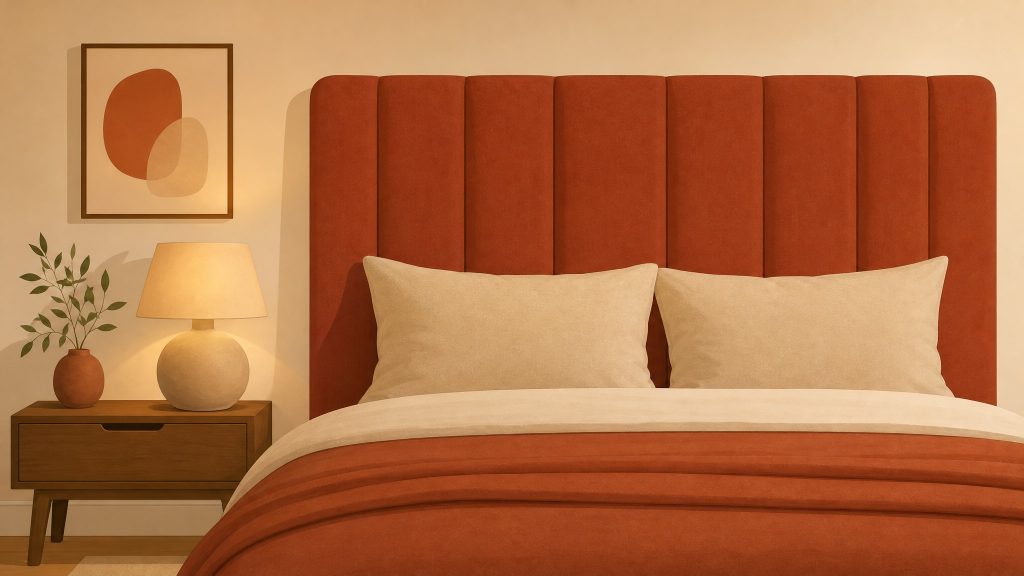
A bedroom often feels incomplete until the headboard arrives. It’s the piece that turns a simple mattress on a base into a sanctuary that actually invites rest. Learning how to choose a headboard for your bed is less about following rigid design rules and more about understanding how this one piece anchors the visual weight, and the emotional comfort, of your most private space. The right choice bridges functional furniture and personal expression, and it sets the tone for every night’s sleep.
Why Your Headboard Choice Matters Beyond Aesthetics
You touch this piece of furniture every single night, even when you’re not consciously noticing its texture or presence. A headboard is the backstop for reading, scrolling, or watching television in bed. It protects your wall from wear and gives your pillows, and your own posture, something to rest against during those quiet evening hours. It also softens sound and insulates against cold walls, which makes the room genuinely more comfortable year-round.
Beyond utility, it sets the spatial hierarchy of the room.
Without this vertical anchor, a bed can look like temporary camping gear rather than a permanent fixture of domestic comfort. The headboard defines where rest happens, and it tells your brain that this corner is separate from the rest of the home’s daily demands. Once you see the dual purpose, you stop treating a headboard as decoration and start choosing it as something closer to a foundation for wellbeing.
Getting the Scale Right: Headboard Height Guide and Width
Proportion decides whether your new purchase looks bespoke or awkwardly misplaced against the rest of your room. You need to account for your mattress thickness and your ceiling height so the headboard reads as balanced rather than dominating the wall or disappearing behind your bedding. A headboard height guide only works once you apply it to your own measurements, because standard dimensions shift a fair amount across bed sizes and frame styles in South African homes.
Standard Height Proportions for South African Beds
The ideal headboard height typically extends 600mm to 900mm above the top of your mattress, though that range moves depending on your ceiling and your taste for visual drama. Lower profiles create a modern, horizontal emphasis that suits rooms with standard ceilings. Taller options draw the eye upward and add grandeur where there’s volume to spare. Measure from the floor to the top of your mattress first, then add your desired visible height to get the total dimension before you start browsing.
Width Rules for Balanced Visual Weight
Your headboard should extend at least 50mm to 100mm beyond each side of the bed frame. That overhang stops gaps forming and gives the piece a cohesive, anchored look. It also keeps pillows from sliding off the edge, so the headboard reads as a substantial architectural element rather than something squeezed in as an afterthought between bedside tables. If built-in cupboards or windows limit your wall space, measure what’s actually available and choose a piece that fits without touching the fixtures either side.
Wooden vs Fabric Headboard: Choosing Your Material
This decision shapes the sensory feel and the maintenance rhythm of your bedroom for years. An upholstered headboard South Africa shoppers consider often leans on tactile softness and sound absorption, while timber offers organic texture and a structural longevity that ages alongside the rest of the home. Neither material wins outright. The right choice depends on how you actually use your bed and the atmosphere you’re after.
The Warmth and Durability of Solid Timber
Solid wood brings a warmth and heritage quality that synthetic materials don’t replicate over decades of use. In South African homes, solid mahogany headboards are often preferred for their natural resistance to humidity swings, and for developing a richer patina over time than veneers or engineered woods tend to. If you’re weighing up timber, our guide on choosing between kiaat, oak, and mahogany timber explains how grain density and oil content affect both look and durability in local conditions.
Wood asks for little: a periodic dusting, the odd polish, and it rewards that with decades of resilience.
Softness and Acoustic Benefits of Upholstery
Fabric headboards soften a bedroom, absorbing ambient noise and taking the edge off hard surfaces that cause echo. Lean against one and you feel it immediately, which is what makes late-night reading or early-morning coffee in bed pleasant rather than something that needs extra cushions. Upholstery does ask for more active upkeep in dusty climates though, and it can show wear faster than wood if pets or young children climb onto the bed regularly.
Headboard Styles 2026: Trends That Feel Timeless
Headboard styles in 2026 favour versatility and longevity over anything that might date a room within months. South African homeowners and renters alike are gravitating toward designs that adapt as living situations change, without giving up character or comfort. It’s part of a broader shift toward furniture that earns its keep regardless of whether you own your home or plan to move soon.
Free-Standing Statements for Rental Flexibility
Free-standing headboards have become essential for tenants who can’t drill into walls but still want a bedroom that feels considered. The Persia Mahogany Wood Free-Standing Headboard stands 1320mm tall, giving real vertical presence without any wall mounting, which suits renters or anyone who rearranges often. Because it sits on the floor and tucks behind the bed base, you can take it with you when you move, or shift it seasonally, without leaving a mark behind.
Integrated Bed Frame and Headboard Combos
For homeowners after permanence and seamless proportions, integrated designs close the visual gap between sleeping surface and vertical backdrop. The Dingaan Genuine Leather Sleigh Bed builds the headboard into the bed frame itself, so there’s no gap and the silhouette stays architectural from end to end. That makes styling simpler, and it means the bed reads as one piece rather than two components that could eventually drift apart, visually or otherwise.
Matching Your Headboard to Existing Bedroom Furniture
You don’t need to replace everything to make a new headboard feel like it belongs. Good coordination comes down to complementary tones, proportional balance, and a shared design language, not an exact matching set that can leave a bedroom feeling staged instead of lived-in. Once you understand how to mix pieces with confidence, you can upgrade a little at a time without throwing out furniture that still earns its place.
Coordinating with Mahogany Dressers and Bases
When you pair a new headboard with existing mahogany dressers or bases, look for undertone harmony rather than an identical finish. A warm-toned free-standing headboard sits well beside the Captains Mahogany Wood Dresser or the Rio Mahogany Wood Dresser, because they share the same timber family even where the stain depth differs slightly. If you already own a Mahogany Wood Bed Base, adding a matching Persia Mahogany Wood Free-Standing Headboard builds cohesion through the material itself, while each piece still keeps its own character.
Mixing Textures Without Clashing
Intentional contrast often makes for a more interesting room than perfect matching ever could. You might pair a sleek leather sleigh bed with a linen-upholstered bench, or set a solid timber headboard against metallic bedside lamps for a bit of layered sophistication. For more on this, our article on complementing pedestals and headboards without matching breaks down how to balance disparate elements into something that holds together.
Mixing textures this way keeps any one material from taking over the room’s feel.
Practical Considerations for South African Homes
Local climate and logistics decide which headboards actually perform well in daily life, beyond how they look in a showroom. Gauteng’s dry winters and summer thunderstorms bring humidity swings that test materials differently than coastal regions do, and delivery access varies a lot between suburban homes and apartment blocks. Sort these things out upfront, and your investment stays beautiful and functional for years rather than becoming a headache on delivery day.
Cleaning and Maintenance for Local Conditions
Dust and sun exposure are the main threats to bedroom furniture in South Africa, so care needs to be proactive rather than reactive. Keep your headboard out of direct afternoon sun to avoid fading or cracking, particularly with upholstered fabric and darker timber stains. Use the right cleaning products for wooden furniture to protect the finish without stripping its natural oils, and vacuum fabric headboards monthly so dust doesn’t work its way into the weave.
Delivery and Assembly Realities
Furnicare curates its headboard range with Gauteng delivery logistics in mind, so pieces arrive safely and fit standard South African bedroom dimensions. Before you order, measure your stairwells, doorways, and any lift access to confirm the headboard will actually reach your bedroom. Free-standing options like the Persia need no assembly beyond unpacking, while integrated beds may call for professional setup depending on your tools and your patience for it.
Finalising Your Selection with Confidence
Take your tape measure to the bedroom one more time before you commit to anything. Be honest about your nightly habits: if you read upright for an hour each evening, put height and padding ahead of minimalist looks; if the bed is mostly for sleeping, a lower profile will probably suit you better. Choosing a headboard, in the end, is as much about knowing yourself as it is about interior design.
The right piece will serve you quietly for years, without asking for constant adjustment or apology. Browse Furnicare’s headboard and bed collection with your measurements and material preferences in hand. Your bedroom deserves furniture that understands how you actually live, not just how you wish to be seen.
Frequently Asked Questions
What is the best material for a bed headboard?
The best material depends on your lifestyle and maintenance willingness rather than any universal ranking. Solid mahogany offers durability and humidity resistance suited to South African climates, developing character over decades with minimal care. Upholstered fabric provides superior acoustic dampening and tactile comfort for readers but requires regular vacuuming and may show wear faster in households with pets or children.
What are the trends for bed headboards in 2026?
Headboard styles 2026 favor versatile, non-permanent designs that work equally well for homeowners and renters across Gauteng. Free-standing timber pieces and integrated bed-frame combos dominate because they offer longevity and adaptability rather than chasing short-lived aesthetic fads. The emphasis is on furniture that retains value and function through moves, renovations, or seasonal redecorating.
Should your headboard be bigger than your bed?
Yes, your headboard should extend 50mm to 100mm beyond each side of the bed frame to create a balanced, anchored appearance. This overhang prevents pillows from sliding off the edges and ensures the piece reads as substantial rather than undersized relative to your mattress width. Always measure your actual bed base dimensions before purchasing, as frame widths vary between manufacturers and bed sizes.
How do I maintain a headboard in South African climate conditions?
Position your headboard away from direct afternoon sunlight to prevent fading and cracking, particularly for fabrics and dark timber stains. Dust wooden headboards weekly and polish periodically with products formulated for local humidity swings to preserve the protective finish. Vacuum upholstered headboards monthly to prevent dust buildup, and address spills immediately to avoid permanent staining in dry winter air.