Choosing between canvas and framed art often feels like choosing between two different personalities for your home. One offers a soft, contemporary embrace that seems to merge with the wall itself. The other gives you structured elegance and deliberate definition. This decision shapes how light moves through your rooms and how comfortable you feel in them, especially in modern South African interiors where natural brightness and open-plan living define daily life. Understanding what each medium actually does helps you pick pieces that suit your life, rather than just filling empty space.
Understanding the Visual Weight of Canvas Prints
Canvas absorbs rather than reflects light, which makes it a better fit above sofas positioned opposite the north-facing windows common in Gauteng homes. That matte quality gets rid of the glare that often plagues glass-covered artwork during our intense midday sun. You can enjoy the image from any angle without shifting your seat or drawing the blinds, and you keep the full depth of colour even when direct sunlight floods the room.
Texture and Depth Without Glass
Without glass, nothing physically separates you from the artwork’s surface, so the connection between viewer and image feels more intimate. Light passes into the fabric weave and scatters softly, producing a warmth that glossy surfaces can’t replicate in sun-drenched spaces. This texture adds real dimension to photography and painterly styles alike. It gives flat walls a sense of organic presence that feels lived-in rather than museum-curated.
Modern Minimalism and Open Spaces
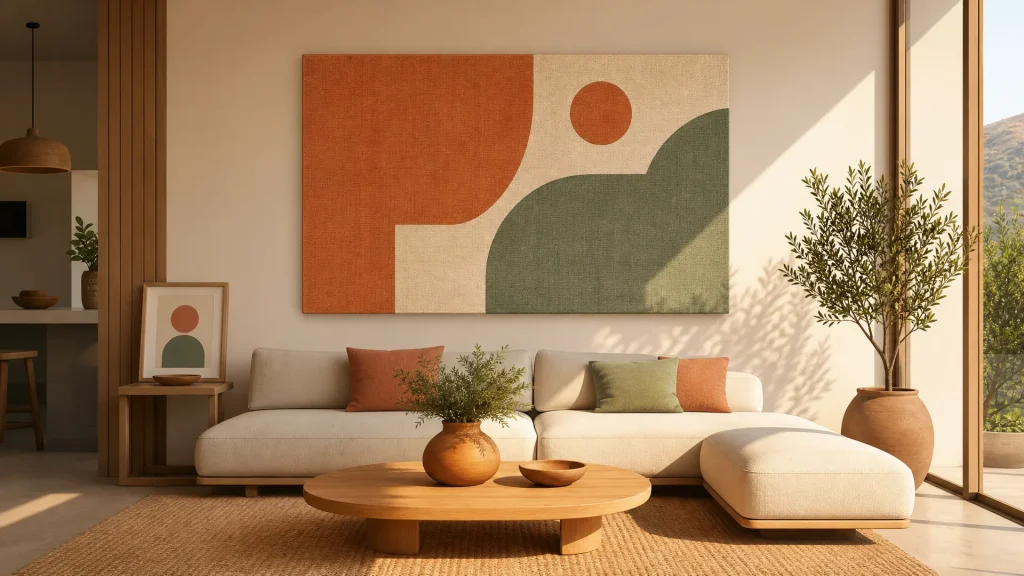
Contemporary South African architecture favours clean lines and uncluttered volumes, and canvas supports that because it sits flush against the wall without visual interruption. The wrapped edges continue the image around the sides, so there’s no need for extra framing hardware, and the profile stays seamless. Your open-plan lounge or kitchen-diner benefits from this streamlined approach: the art adds to the sense of flow instead of competing with architectural features or furniture silhouettes.
The Timeless Structure of Framed Art
Framed artworks typically add 5–10cm to the total dimensions per side, because of the moulding, and that matters a lot when you’re planning placement above a standard headboard or sideboard. The frame turns a picture into an architectural element, one that commands attention and sets up a hierarchy within the room’s composition. It becomes a tool for defining zones in multi-use spaces, since the frame acts as a visual anchor that grounds the décor around it and signals intentional design.
Defining Boundaries with Moulding
A frame draws a clear line between art and environment. It creates a contained moment of focus that contrasts beautifully with an expansive wall. The moulding itself becomes part of the statement, whether you choose slim black aluminium for sharp contrast or warm timber tones that echo your flooring and cabinetry. This kind of deliberate enclosure suits formal dining rooms and studies, where it provides the visual punctuation that stops decorative elements from feeling scattered or unresolved.
Elevating Formal and Transitional Styles
Traditional and transitional interiors rely on layered details for their richness, and framed art delivers the polish those schemes need. The interplay between matting, glazing and moulding brings in several textures that complement upholstered furniture and patterned textiles without overwhelming them. A heritage-inspired or classic-modern space gains credibility through this kind of presentation, because the frame signals respect for tradition while still making room for contemporary imagery.
Matching Art Medium to Room Function and Mood
This isn’t about following rules. It’s about recognising how material choices shape how a room feels. Canvas invites relaxation and informal gathering. Framed pieces encourage focus and contemplation. Aligning medium with activity means your art supports how you actually use each room, rather than fighting it.
Relaxed Living Areas vs Formal Dining Spaces
High-traffic family zones benefit from canvas’s durability and forgiving nature, the fabric surface withstands accidental bumps and hides fingerprints better than pristine glass. You want art here that feels approachable and resilient, matching the energy of children, pets and weekend entertaining, without demanding precious handling. Your dining room or home office, on the other hand, calls for the refined presence of framed work, where the protective glazing and structured border reinforce the room’s purpose as a place for real conversation or concentrated effort.
Bedroom Serenity and Personal Expression
Your bedroom deserves art that whispers rather than shouts, and canvas often delivers that gentler presence through its light-absorbing surface and lack of reflective distraction. Soft landscapes or abstract textures on canvas create a cocooning effect that supports rest. Framed botanical prints or personal photographs can bring in cherished memories without disrupting the calm, as long as you choose non-reflective glass. Think about what emotion you want most when you walk into this private space at day’s end, then let that guide your choice over whatever’s trending.
Practical Considerations for South African Homes
Our climate presents real challenges that affect how art ages and performs in your home. Ignore them, and you risk premature fading or maintenance routines that chip away at your enjoyment of pieces you chose carefully.
Managing Sunlight and Humidity
Gauteng’s high-altitude UV exposure speeds up fading in unprotected prints, which is why glass-covered or professionally coated canvas matters for pieces hanging in direct light paths. Canvas absorbs light beautifully, but uncoated versions may lose vibrancy faster than glazed alternatives unless treated with a UV-inhibiting varnish during production. Humidity swings during summer thunderstorms can also cause canvas to expand and contract slightly, so make sure your stretcher bars are properly tensioned, and avoid hanging valuable pieces in bathrooms or kitchens where moisture levels shift dramatically.
Dust and Maintenance Realities
Dry Highveld winters bring fine dust that settles on every surface in your home, horizontal or vertical. Canvas needs a gentle weekly dusting with a soft brush or microfibre cloth, so particles don’t embed in the weave. Framed glass needs streak-free polishing to stay clear and avoid smudges that catch the afternoon light. Never spray cleaning solutions directly onto either surface. Apply the product to your cloth first, and work gently, to protect both the artwork and its protective layers over years of enjoyment.
Sizing and Placement Strategies for Each Format
Proportion determines whether art feels integrated or awkward, and the calculation differs fundamentally between wrapped canvas and framed pieces. Our delivery experience shows customers frequently underestimate the depth of framed pieces when planning narrow hallway or staircase displays, which leads to returns or cramped installations that proper measurement would have avoided.
Always measure your available wall space and furniture width before ordering, and remember that frame moulding adds real bulk beyond the visible image area. For canvas, check our canvas art width guidelines so the piece spans roughly two-thirds to three-quarters of your sofa or headboard width, without extending past the furniture’s edges. Framed art needs you to account for the outer moulding dimension rather than just the print size, so check that ceiling height and nearby doorframes will accommodate the full footprint, hanging hardware included.
Curating Cohesive Gallery Walls with Mixed Media
Combining canvas and framed pieces successfully comes down to finding elements that unify them across formats. Designers recommend anchoring gallery walls with at least one substantial framed piece, to give the arrangement visual structure among the lighter canvas elements, so it doesn’t feel weightless or haphazard. You build harmony through a consistent colour story, a thematic thread, or aligned spacing, rather than by matching frames and mediums exactly.
Keep equal gaps between all the pieces regardless of their individual depths. A laser level or a measured template helps you establish straight sightlines that bring order to varied textures. If you’re unsure how to balance multiple formats, our guide on creating balanced gallery walls is worth a look before you commit to nail holes. And using reflective surfaces strategically within your arrangement can amplify natural light and make a small room feel bigger, but position mirrors carefully so you don’t bounce glare onto the matte canvases nearby.
Making the Final Decision for Your Space
Stand in your room at different times of day and watch how light interacts with your furniture lines, wall colours and architectural features before you choose. The right piece amplifies what your space already has going for it, rather than fighting it, so trust what you see over generic advice or whatever’s trending online. How the artwork feels to you matters more than any design rule, because you’re the one who lives with it every day.
Neither format wins outright. Canvas won’t suit every formal setting, and framed art can feel too rigid in a casual beach-style cottage. Work out what your room needs, emotionally and practically, then explore Furnicare’s curated wall art collection to find pieces that match your vision.