A small room doesn’t need more square footage to feel bigger. It needs better light and a little visual trickery, and a mirror is the easiest way to deliver both. If you’ve ever wondered where to place a mirror to make a small room feel bigger and brighter, the answer comes down to a few simple placement rules. No luck or big renovation budget required.
Why Mirror Placement Matters in Small Rooms
Where you hang a mirror matters just as much as whether you have one at all. Hang it in the wrong spot and it reflects a dull wall or a messy corner. It does nothing for the room. Hang it in the right spot, and it pulls in light, opens up sightlines, and lets the whole space breathe.
This isn’t about disguising a small room. It’s about loving it enough to help it shine. A well-placed mirror lets a compact lounge, bedroom, or hallway feel considered and complete, rather than cramped.
How Mirrors Trick the Eye Into Seeing More Space
Mirrors work by bouncing light deeper into a room and creating the illusion of a second space beyond the wall. Your eye reads that reflection as extra depth, even though nothing has physically changed.
The effect is strongest when a mirror reflects something worth seeing, like a window, a light fixture, or an open doorway. At Furnicare, we regularly hear from South African customers furnishing small flats and starter homes. Many say a well-placed mirror was the single change that made their space finally feel finished.
The Best Spot to Place a Mirror to Make a Small Room Feel Bigger
If you only take one piece of advice from this article, it’s this: place your mirror where it can reflect a light source or a long sightline. Everything else is fine-tuning.
Opposite a Window for Maximum Light
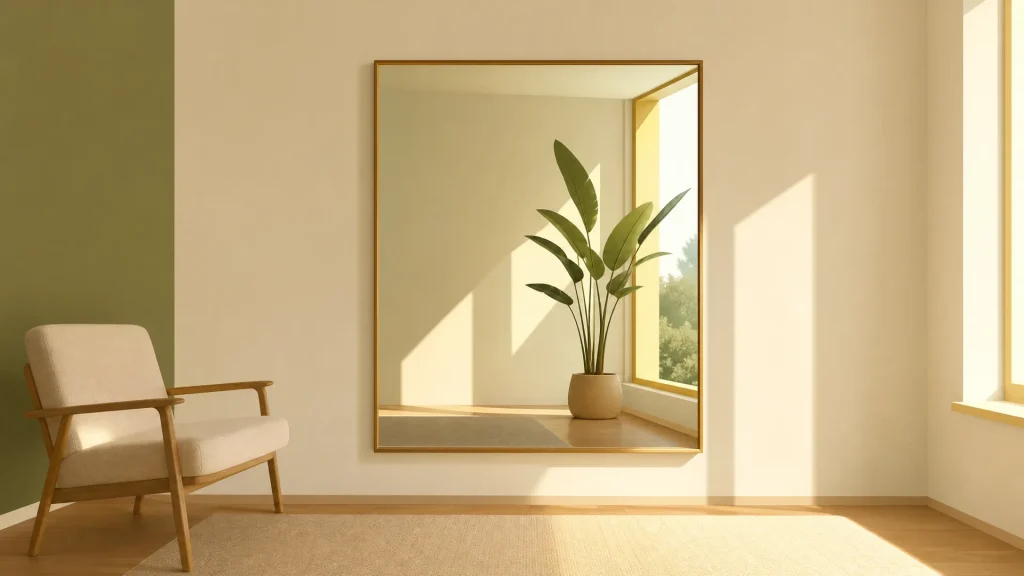
Hanging a mirror directly across from a window is the single most effective placement in a small room. It bounces daylight back across the space and brightens corners that would otherwise stay dim.
Put a mirror opposite a window in a compact Johannesburg apartment lounge, and by mid-morning the room can visibly feel twice as bright, without moving a single wall. That’s the power of working with light rather than adding more of it artificially.
Interior designers commonly recommend hanging a mirror at eye level and angling it to catch a light source, rather than placing it purely for symmetry. In practice, that means checking where the sun falls in your room at different times of day before you commit to a spot.
Facing a Doorway or Hallway to Extend Sightlines
If your room doesn’t have a window worth reflecting, aim for a doorway or hallway instead. A mirror facing an entry point extends the sightline through the room. It makes the space feel like it continues beyond its actual walls.
In narrow entryway hallways, a tall mirror placed opposite the front door is a favourite trick for making the approach feel longer and more welcoming. The same logic works in open-plan lounges, bedrooms, or even narrow kitchens.
So should a mirror face a window or a door? Choose whichever gives you the better reflection. If you have both options, a window usually wins for brightness, and a doorway wins for depth. In many small rooms, you can angle a single mirror to catch a little of both.
Mirror Placement Mistakes That Make a Room Feel Smaller
Yes, the wrong mirror placement can genuinely make a small room feel more cramped, not less. A mirror is a tool, and like any tool, it can work against you if it’s pointed the wrong way.
The most common mistake is hanging a mirror too high or too low, so it reflects ceiling or floor instead of the room itself. Another is placing two mirrors facing each other. That creates a dizzying tunnel effect rather than a sense of openness.
Reflecting Clutter or Awkward Angles
A mirror amplifies whatever it reflects, so a cluttered shelf or a messy corner gets doubled along with the light. Before you hang anything, stand where the mirror will sit and ask what it will actually show back.
This is where clearing clutter before you style pays off. A tidy reflection reads as spacious. A cluttered one reads as chaotic, no matter how well you’ve placed the mirror. If you want the calmer, more intentional feel that makes small rooms work, it’s worth reading up on decorating for calm, functional spaces before you start hanging anything on the walls.
Choosing the Right Mirror Size and Shape for Small Spaces
What size mirror is best for a small room? As a general rule, go bigger than feels intuitive. A generously sized mirror reflects more light and more of the room. A small one can look like an afterthought and add little to the sense of space.
Full-Length vs. Wall Mirrors
Full-length mirrors work beautifully in bedrooms and dressing corners, where they double as a practical styling tool and a space-enhancer. Propped against a wall or leaned into a corner, they draw the eye upward and make ceilings feel higher.
Wall mirrors suit living rooms, hallways, and entryways, where you want reflected light and depth without giving up floor space. Both work well in small rooms. The right choice depends on whether you need it for dressing or purely for atmosphere.
Round, Arched, or Rectangular: What Works Best
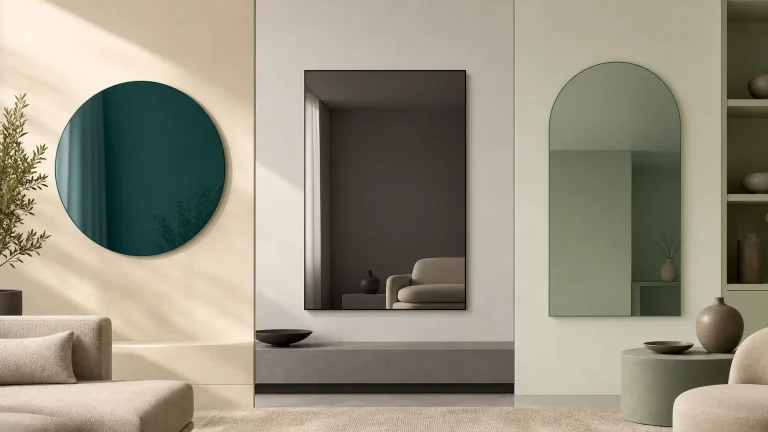
Do round or rectangular mirrors work better in tight spaces? Both have their place, and it comes down to the room’s proportions.
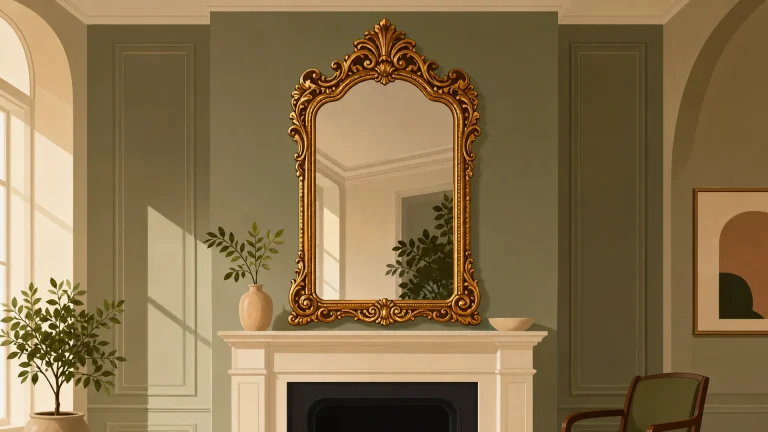
Round mirrors soften a room full of straight lines and sharp furniture edges. They suit small living rooms or bedrooms with a lot of angular furniture. Rectangular and arched mirrors tend to suit hallways and narrow walls, where their vertical or horizontal lines can stretch the sense of space in one direction.
Whichever shape you choose, keep it in step with the rest of your room. If you’re leaning into South African room styles for 2026, let the mirror frame echo the metal, wood, or paint tones already in the space rather than fighting them.
Styling Mirrors Alongside Furniture for a Cohesive Small-Space Look
A mirror rarely works in isolation. It looks its best paired with the furniture around it, framed by a console table, a shelf, or a chair rather than floating alone on a bare wall.
Pairing Mirrors With Consoles, Shelving, or Accent Chairs
A console table beneath a mirror gives the eye somewhere to land before it travels up into the reflection. That makes the whole arrangement feel grounded rather than accidental. In a small entryway or lounge, this combination does double duty: storage below, light and depth above.
Open shelving works the same way, especially when a mirror is angled to reflect a bookshelf’s contents rather than a blank wall. If you’re weighing up storage options for a tight room, it’s worth thinking about choosing shelving for a small room alongside your mirror plans, so the two work as one styled corner rather than two separate purchases.
An accent chair angled near a mirror can also help, especially in a bedroom, where the pairing suggests a cosy reading nook rather than a stray piece of furniture. If you’re planning a fuller refresh, our bedroom makeover ideas walk through how mirrors fit into a broader bedroom styling plan.
Quick Room-by-Room Mirror Placement Tips
Every room has its own quirks, so here’s a fast recap you can apply straight away.
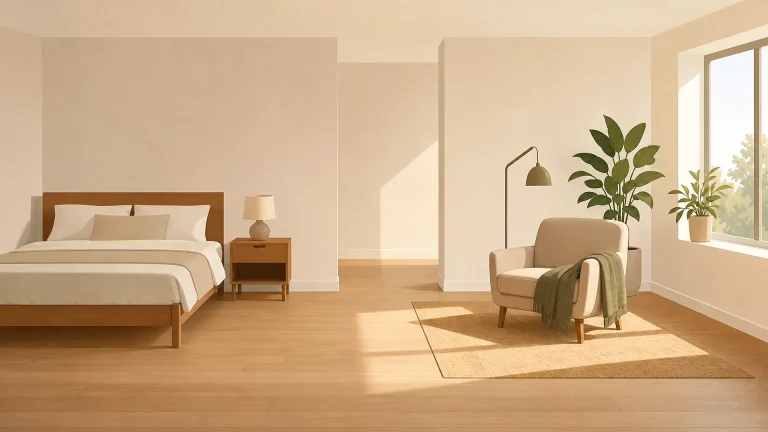
- Bedroom: A full-length mirror near the window catches natural light and doubles as a dressing mirror.
- Living room: A wall mirror opposite the main window brightens the whole seating area through the afternoon.
- Entryway: A tall mirror facing the front door stretches the sightline and makes the entrance feel welcoming.
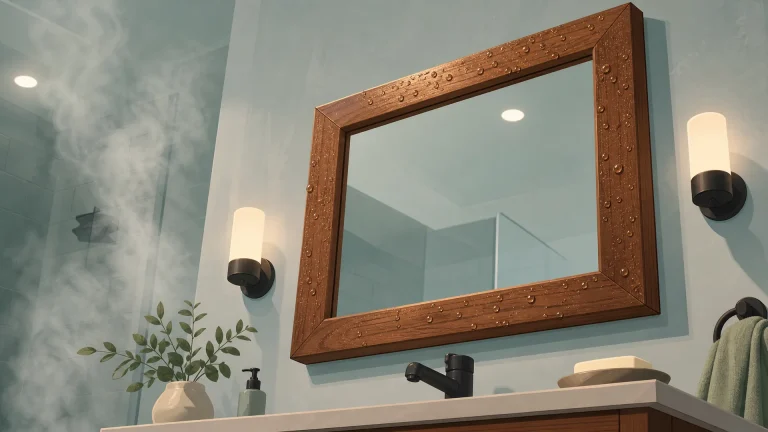
- Bathroom: A mirror above the basin, angled toward any window or bright light fixture, keeps the space feeling airy even when it’s compact.
As for how many mirrors one small room can handle, one well-placed mirror is often enough to transform a room. Two can work if they’re positioned to reflect different features, like a window and a doorway, rather than facing each other. Beyond that, more mirrors tend to compete rather than add to the effect. Restraint is usually the better strategy in a small space.
Getting mirror placement right is one of the simplest, most affordable ways to make a small South African home feel brighter and more spacious, without lifting a hammer for anything structural. If you’re ready to put these ideas into practice, browsing Furnicare’s mirror and small-space décor range is a good place to start, and our small-space styling guides can help you plan the rest of the room around it.