📦 Free Delivery on Linen & Decor: Orders over R1,999 (Gauteng) | Over R2,999 (Rest of SA) 🚛 Premium Furniture Delivery: Gauteng Flat Rate R1,500 | Nationwide Shipping Available
📦 Free Delivery on Linen & Decor: Orders over R1,999 (Gauteng) | Over R2,999 (Rest of SA) 🚛 Premium Furniture Delivery: Gauteng Flat Rate R1,500 | Nationwide Shipping Available
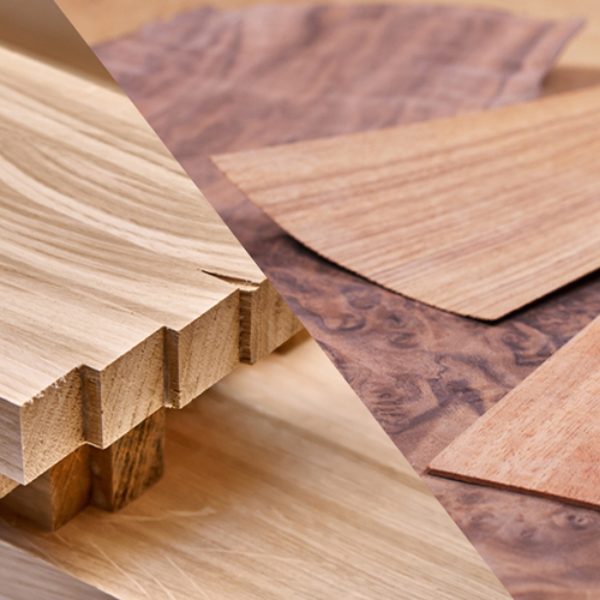
If you’ve ever fallen in love with a beautifully grained TV unit or bedroom suite, chances are it wasn’t cut from a single solid plank. It was likely finished in wood veneer. The word gets used a lot in furniture shops and showrooms. But what does it actually mean, and should it change how you shop? Let’s walk through it together, in plain language.
A wood veneer is a thin slice of real timber, glued onto a sturdier core material underneath. Think of it as the visible “skin” of a piece of furniture. It’s made from genuine wood, not a printed picture of wood.
That’s worth repeating. Veneer isn’t a synthetic imitation. It’s cut straight from real logs, so the grain, colour, and texture you see are authentic wood characteristics. That’s why quality veneer furniture can look every bit as warm and rich as a solid timber piece.
Solid wood furniture is built entirely from one type of timber, right through. Veneer furniture uses a different, more stable material as its base, with a layer of real wood on top for looks. The difference is mostly about what’s underneath the surface, not what you see and touch. Both use genuine timber. They just use it in different ways.
Making veneer furniture starts with slicing a log into very thin sheets of wood. Veneer sheets are typically sliced to a fraction of a millimetre thick. That lets manufacturers get far more usable surface area out of each log than they would by cutting solid boards. A single log can yield hundreds of thin veneer sheets. That’s part of why veneered furniture can show off dramatic wood grain patterns that would be hard and expensive to achieve with solid timber alone.
Those thin sheets are then bonded onto a core panel using strong adhesive and pressure. The core gives the piece its shape and structural strength. The veneer layer gives it the wood grain look you actually see and feel.
Most veneer furniture is built on MDF (medium-density fibreboard) or particleboard. Both are engineered wood products made from wood fibres or particles pressed together. Manufacturers favour them because they stay flat and stable and resist warping, something solid timber can struggle with over time, especially in a warm South African climate.
These three terms often get lumped together, but they’re quite different. Here’s the difference between veneer, solid wood, and laminate at a glance.
Solid wood furniture is timber all the way through. It’s durable, and you can sand and refinish it many times, but it’s also heavier and generally pricier.
Veneer furniture pairs a real wood surface with an engineered core. It gives you an authentic wood look, often at a lower price and weight than solid timber.
Laminate is different again. It’s typically a printed or synthetic layer designed to mimic wood, rather than being made from real timber at all. Laminate can be a budget-friendly option, but it doesn’t offer the same natural depth or feel as genuine wood veneer.
Veneer often makes more sense for larger pieces, like wide TV units, wardrobes, or dining tables. On these, matching solid wood grain across a big surface gets expensive and heavy fast. Veneer lets you enjoy a consistent, high-end wood look without those trade-offs.
Wood veneer furniture is a favourite in homes across Gauteng, and for good reason. It brings the warmth of real timber into a room without the cost, weight, or upkeep that solid wood sometimes demands.
Manufacturers commonly use wood veneer on TV units, bookshelves, and bedroom furniture, where you want a rich timber look without the cost or weight of solid wood. That’s exactly why it works so well in modern TV units that often feature wood veneer finishes, where a large, uninterrupted timber surface makes a real style statement.
Because manufacturers cut veneer sheets from the same log, they can match grain patterns across large surfaces and multiple panels. That means your headboard, bedside tables, and wardrobe can share a beautifully consistent look, something that’s much harder and pricier to achieve with solid boards. This grain-matching matters most when you’re planning bedroom makeover ideas for your home and want every piece to feel like part of one cohesive set.
Veneer furniture tends to be lighter and more affordable than its solid wood equivalent. That makes it easier to move, and easier on your budget too. There’s also a sustainability upside. Because each log produces so many thin sheets, veneer furniture uses far less solid timber per item than furniture cut from thick solid boards. If you think about the environmental footprint of your furniture choices, that’s a point in veneer’s favour.
At Furnicare, we choose veneer and finish combinations that balance the warm, natural feel our customers want with practical, long-lasting durability for everyday South African homes. It’s part of why veneer is such a popular choice across our ranges, from choosing the right bookshelves for your home to bedroom and living room furniture.
Wood veneer furniture is genuinely durable when you look after it properly. A few simple habits will keep it looking good for years.
Wipe up spills quickly rather than letting moisture sit on the surface. Standing water or damp cloths left too long can lift the veneer layer from its core over time. Use a soft, slightly damp cloth for everyday cleaning, and dry the surface afterwards.
Avoid harsh chemicals, abrasive cleaners, or anything alcohol-based, since these can damage the finish. A gentle furniture polish suited to wood surfaces is usually all you need.
Keep veneer furniture out of direct, prolonged sunlight where possible. Strong UV exposure can fade the finish unevenly. And use coasters or mats under hot dishes or drinks to protect the surface from heat marks.
If you love the natural warmth of real wood but want something lighter, more affordable, and easier to maintain, wood veneer furniture is likely a strong fit. It suits style-conscious, value-conscious homeowners across South Africa who want their rooms to feel considered and complete, without the cost or bulk of solid timber.
Understanding what a wood veneer is takes a lot of the guesswork out of furniture shopping. You know exactly what you’re getting: real wood on the surface, and a stable, well-engineered core doing the structural work underneath. Whether you’re after a statement TV unit, a set of bookshelves, or a full bedroom suite, Furnicare’s furniture ranges are designed to bring that same warm, considered feel into your home.